What are crochet stitches and why know them
Crochet stitches are the fundamental building blocks of every crocheted item. Just as knitting has knit and purl stitches, crochet has a range of stitches with different heights, textures, and densities. Knowledge of stitches allows you to read patterns, modify projects, and create your own designs.
Each stitch differs in the number of yarn overs around the hook and the method of pulling through. The more yarn overs, the taller and more open the stitch. This simple logic underlies all the diversity of crochet.
Basic crochet stitches
Chain stitch
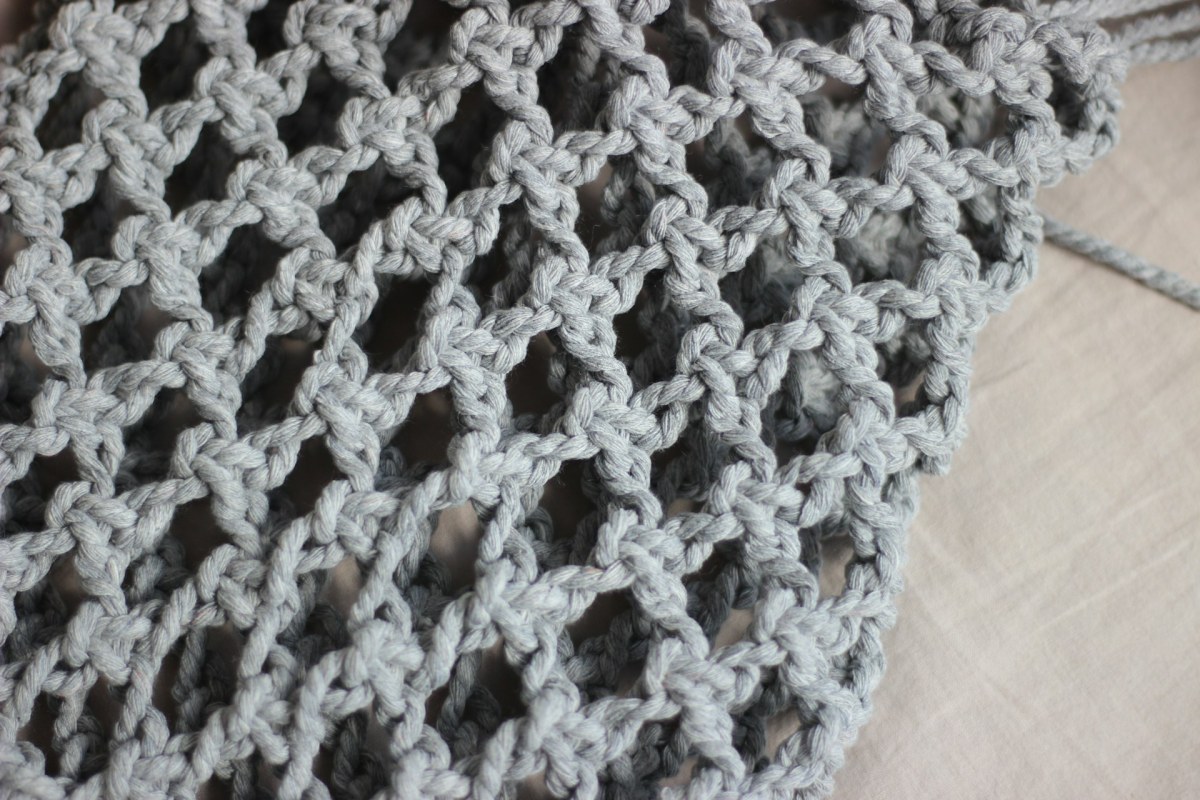
The chain stitch is the foundation of absolutely everything. It's the starting row from which all other stitches grow. You create it by pulling yarn through the loop on your hook. The chain serves as the project foundation, but also as spaces within patterns — for example in mesh patterns or filet crochet.
Slip stitch
The slip stitch is the shortest and most compact stitch. Insert your hook into a stitch, catch the yarn and pull it through both the stitch and the loop on your hook in one motion. It's mainly used for joining — closing rounds, transitioning between rows, and as a decorative surface technique.
Single crochet
Single crochet is the most commonly used basic stitch. It creates a dense, sturdy fabric ideal for toys (amigurumi), bags, and covers. Insert your hook into a stitch, pull up a loop (you have 2 loops on hook), and pull yarn through both at once. The height of single crochet equals approximately one chain stitch.
Half double crochet
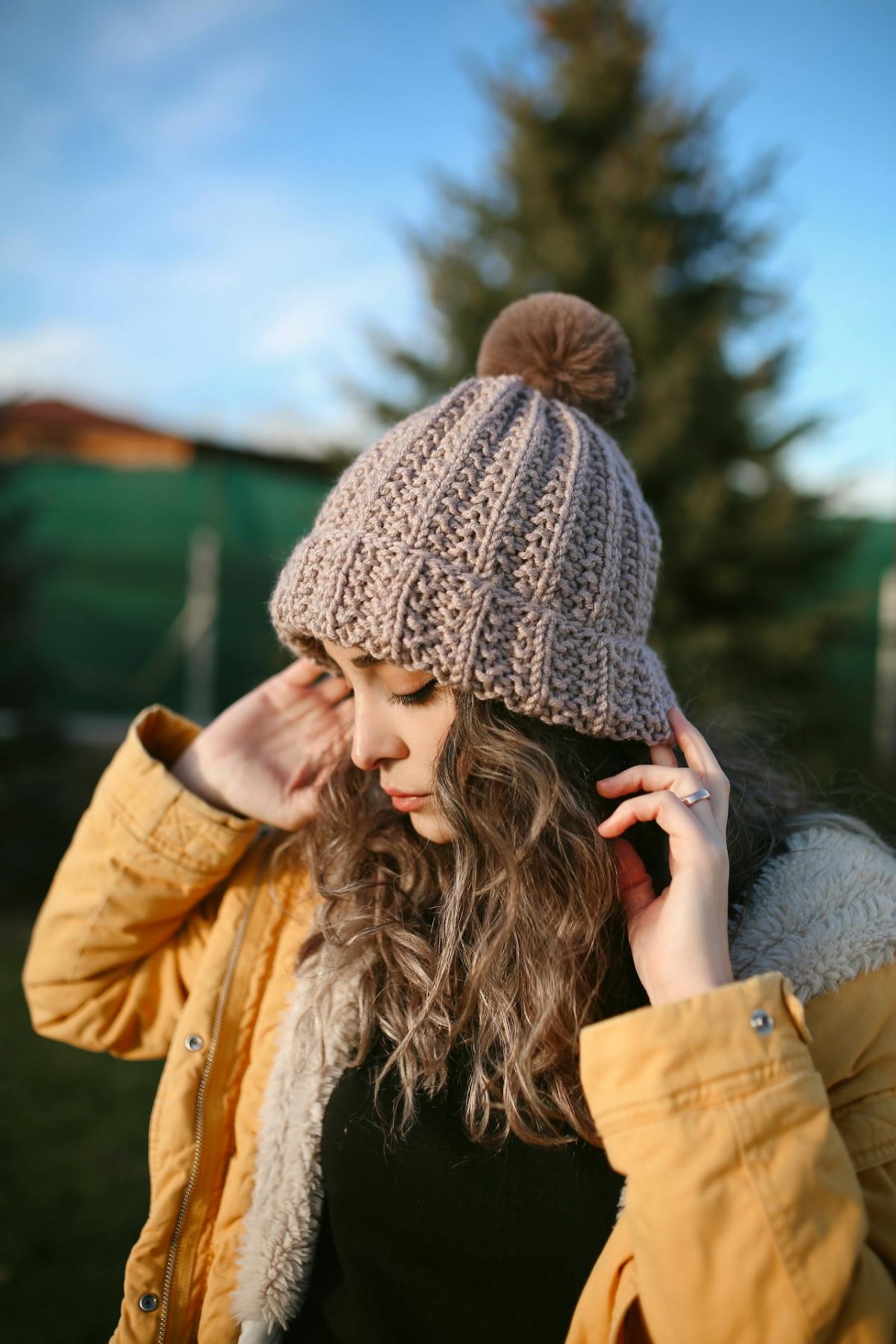
Half double crochet is a transitional stitch between single and double crochet. Yarn over, insert into stitch, pull up a loop (3 loops on hook), and pull yarn through all three at once. It creates a slightly looser texture than single crochet but is still relatively dense. Popular for hats, scarves, and blankets.
Double crochet
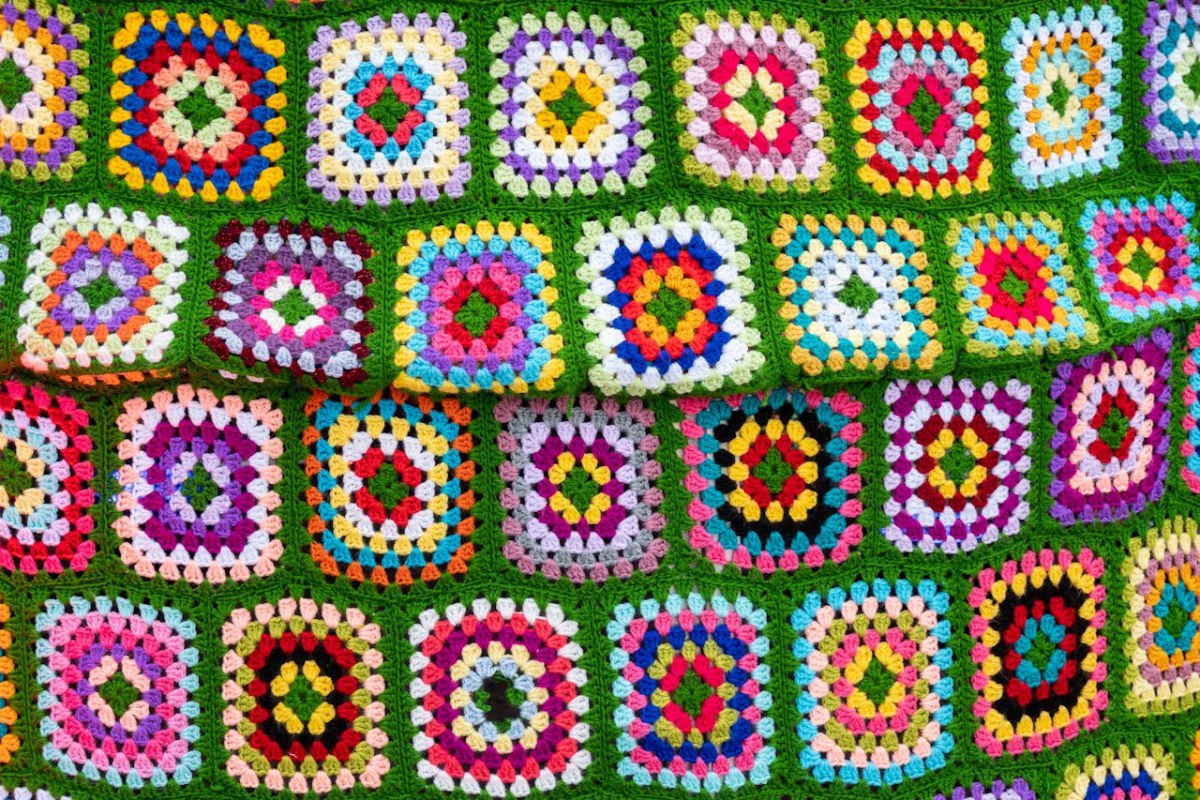
Double crochet is one of the most versatile stitches. Yarn over, insert into stitch, pull up a loop, then pull through two loops at a time — twice. It's twice as tall as single crochet, meaning work grows faster. You'll find it in granny squares, decorations, and garments.
Treble crochet
Treble crochet is even taller — yarn over twice, insert into stitch, and pull through two loops at a time three times total. It creates an airy, lace-like texture. Used in openwork patterns, shawls, and summer tops.
Special and advanced stitches
Puff stitch
Puff stitch creates a dimensional, raised effect. Work several incomplete half double crochets (typically 3–5) into one stitch, then pull through all loops at once. The result is a soft "pillow." Great for blankets, headbands, and decorative panels.
Bobble stitch
Similar in principle to puff stitch, but uses double crochets instead of half doubles. Work 3–5 incomplete double crochets into one stitch, then close them with one pull-through. The result is a pronounced ball — a bobble. Popular in textured blankets and pillows.
Tunisian crochet
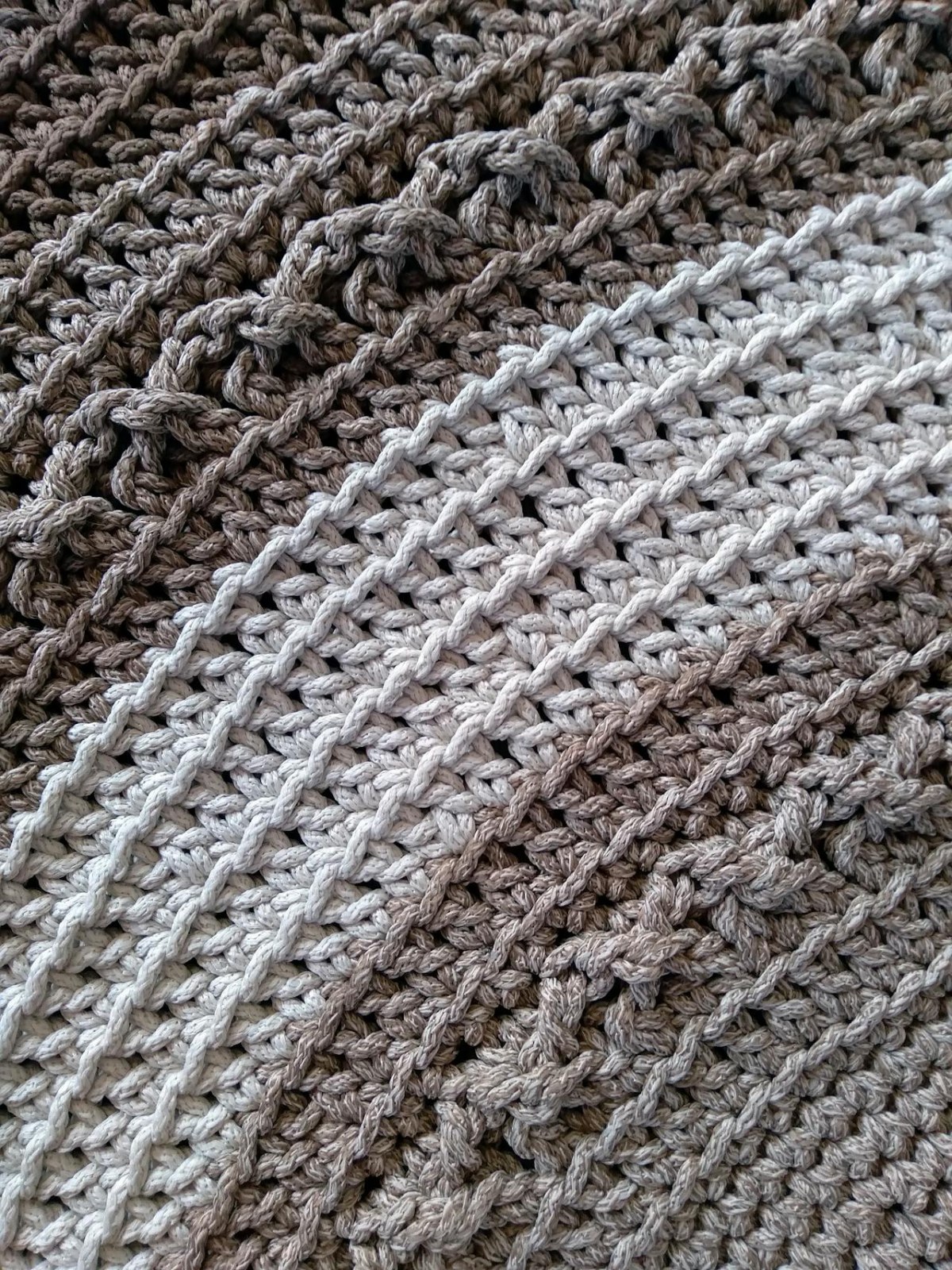
Tunisian crochet is a hybrid technique between crochet and knitting. It uses a long hook (Tunisian hook) and work proceeds in two passes — forward pass (picking up loops on the hook) and return pass (closing them). The resulting texture resembles woven fabric and is denser than regular crochet. Ideal for blankets, placemats, and structured garments.
Filet crochet
Filet crochet creates a mesh pattern of filled and open squares. The foundation consists of double crochets and chain stitches arranged in a grid. Filled squares form the pattern (pictures, letters, ornaments), open squares form the background. Traditionally used for curtains, tablecloths, and decorative panels.
Stitch overview chart
| Stitch | Height | Yarn overs | Density | Typical use |
|---|---|---|---|---|
| Slip stitch | Shortest | 0 | Very dense | Joining, edging |
| Single crochet | Short | 0 | Dense | Amigurumi, bags |
| Half double crochet | Medium | 1 | Medium dense | Hats, scarves, blankets |
| Double crochet | Tall | 1 | Open | Granny squares, garments |
| Treble crochet | Very tall | 2 | Very open | Lace, openwork |
How to choose the right stitch for your project
Stitch selection depends on what you're crocheting. For toys and bags you need dense fabric — choose single crochet. For blankets and scarves, half double or double crochet is an ideal compromise between speed and texture. For summer garments and decorations, go for treble crochets or openwork patterns.
Yarn also plays an important role. Thinner yarn with taller stitches creates airy, draping fabric. Thicker yarn with shorter stitches produces firm, structured items. Experiment with swatches — crochet a 4 × 4 inch square with different stitches and compare texture, yarn consumption, and overall appearance.
Tips for beginners
Start with chain and single crochet — they're easiest and will give you confidence in holding the hook and yarn. Once you master straight rows back and forth, move on to double crochet and working in rounds. Don't worry about perfection — first projects will be uneven and that's completely okay. The important thing is understanding the principle of each stitch, then you'll improve with every subsequent project.