What is filet crochet
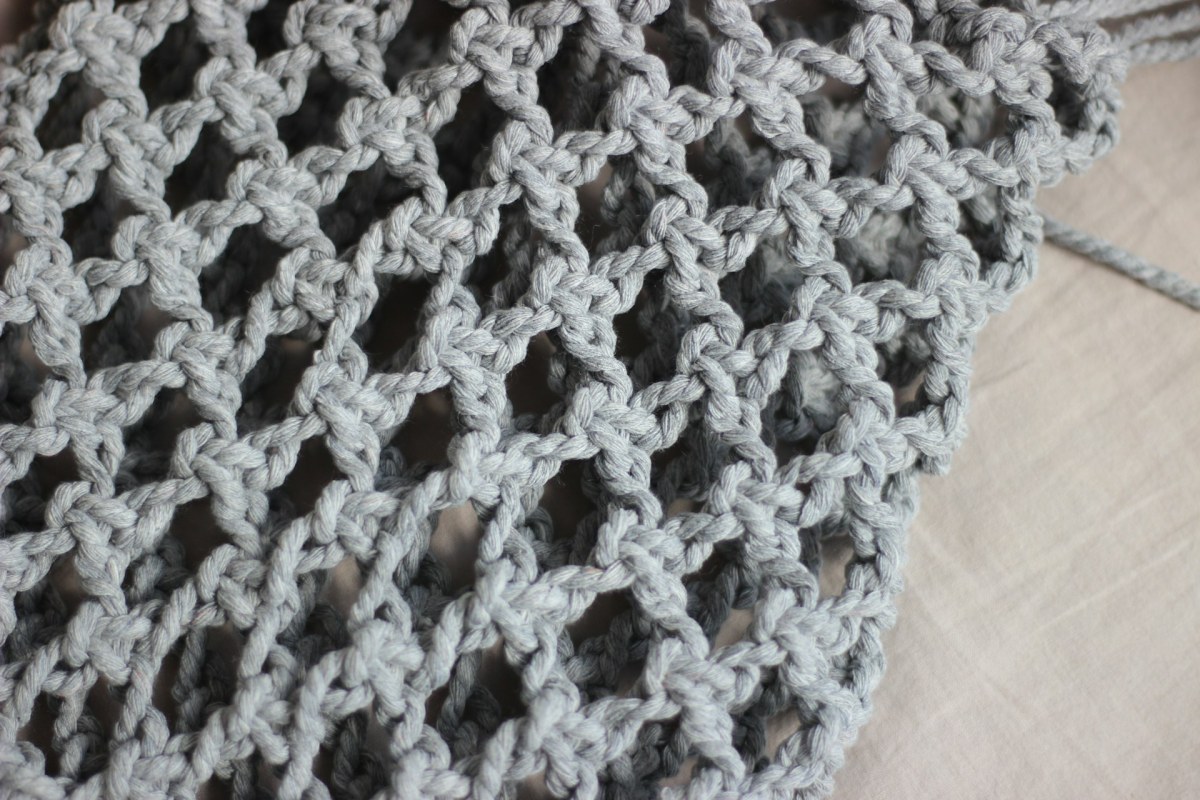
Filet crochet (from French "filet" = net) is a technique that creates patterns based on a grid principle — combining filled and open squares. Open squares form the net background, filled squares form the pattern (images, ornaments, letters, flowers). The foundation consists of double crochets and chain stitches.
Filet crochet is one of the oldest crochet techniques — traditionally used for curtains, tablecloths, doilies and decorative panels. Although it looks like lace, it's technically very simple — you only need two stitches: double crochet and chain stitch.
Principle of filet crochet
Open square (mesh)
1 double crochet, 2 chain stitches, skip 2 stitches, 1 double crochet. This creates a square opening in the grid.
Filled square (block)
4 double crochets side by side (or 3 + shared stitch from previous square). The space is filled — the square is "solid".
How it looks
Imagine graph paper. Each square is either empty (mesh) or colored in (filled). The colored squares form a picture — heart, flower, bird, letter. This is the principle of filet crochet.
How to read filet charts
A filet chart is a grid where each square is either open (○ or white) or filled (■ or black). Read from bottom to top. Odd rows (right side) from right to left, even rows (wrong side) from left to right — if working back and forth. If crocheting in one direction only (cutting yarn at end of row), always read from right to left.
What yarn and hook to use
Traditional filet — thin cotton yarn (crochet thread size 10, 20, 30) and small hook (1–2 mm). The result is delicate and lacy.
Modern filet — any yarn with corresponding hook. Worsted weight yarn with 5mm hook creates rustic, bold filet patterns — suitable for blankets, pillows and bags.
The finer the yarn and smaller the hook, the more detailed the pattern. The thicker the yarn, the chunkier the grid — but faster to work.
Beginner projects
Bookmark — narrow strip with simple pattern (heart, initial). Quick project to try the technique.
Small doily — square doily with floral motif. Classic filet project.
Small curtain — traditional use. You can find hundreds of free filet curtain patterns online.
Tips
Maintain even tension — in filet crochet, unevenness is very visible because the grid is regular. Count squares after each row — one missed or added square shifts the entire pattern. Blocking is almost mandatory for filet crochet — wet the finished piece and stretch to correct shape so the grid is regular.