What is Single Crochet
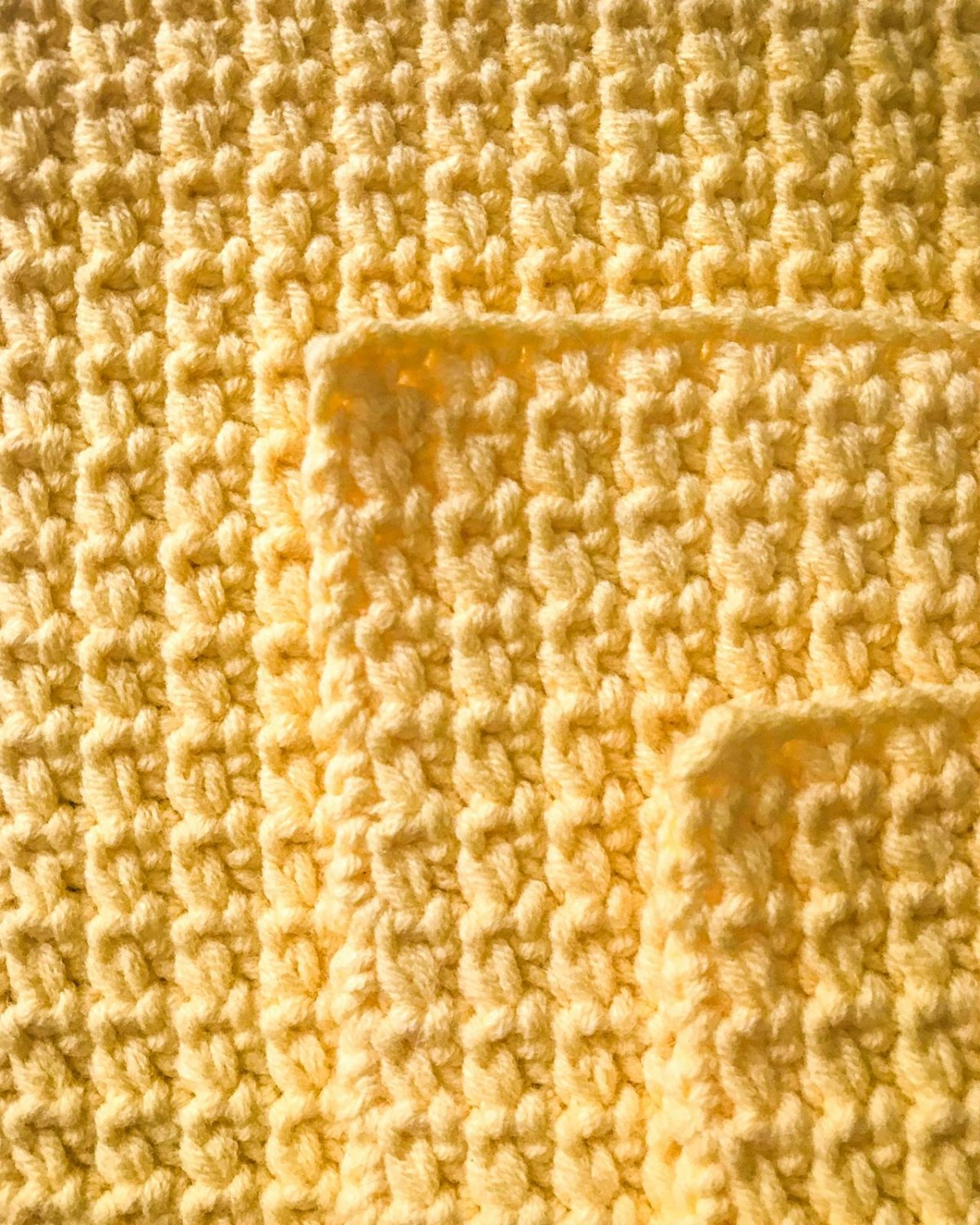
Single crochet (abbreviated sc) is the most basic and widely used crochet stitch. It's low, dense, and strong — creating a compact texture with no gaps. It's the foundation of amigurumi (crocheted toys), bags, baskets, covers, and all projects where you need strong, impermeable fabric.
In British terminology, single crochet is called "double crochet" (dc) — don't let this confuse you. This article uses American terminology: single crochet = sc.
How to Crochet Single Crochet — Step by Step
Step 1: Insert Hook
Insert your hook into the next stitch in the row (or into the second chain stitch from hook in the foundation chain). Push the hook through under both loops of the stitch.
Step 2: Pull Through a Loop
Yarn over and pull it through the stitch. You now have 2 loops on your hook.
Step 3: Pull Through Both
Yarn over again and pull it through both loops at once. One loop remains on the hook. Your single crochet is complete.
Single Crochet in the Round
For amigurumi and hats crocheted from the top, you start with a magic ring and crochet single crochets into it. Typically 6 single crochets in the first round, then increase in each round (6 increases per round for a flat circle, fewer for closed shapes like spheres).
Unlike working in rows back and forth, when crocheting in the round you don't turn — you work continuously around. Mark the beginning of each round with a stitch marker.
Where Single Crochet is Used
Amigurumi — crocheted toys, figurines, and animals. Single crochet creates a dense enough texture so stuffing doesn't show through. You use a smaller hook than the yarn recommends — intentionally, to make stitches even tighter.
Bags and baskets — the firm texture can bear weight and holds its shape. For extra stiffness, you can crochet over rope or with double strand yarn.
Covers and pillows — dense single crochet covers stuffing well and is durable.
Edgings and borders — a row of single crochets around a finished piece unifies the edge and gives it a clean look.
Single Crochet Variations
Back Loop Only (BLO) — you crochet into only the back loop of the stitch. Creates a horizontal ribbed texture. Popular for edging and elastic bands.
Front Loop Only (FLO) — you crochet into the front loop. Less common, but used in combination with BLO for textural patterns.
Reverse Single Crochet (reverse sc / crab stitch) — you crochet backwards, from left to right. Creates a decorative rope-like edge. Great for finishing hats, bags, and blankets.
Common Beginner Mistakes
Gaining stitches at edges — you forget where the row begins and ends. Solution: count stitches after each row. With single crochet, the turning chain (1 chain) usually doesn't count as a stitch.
Too tight stitches — you hold the yarn too tensely. Relax your fingers and let the yarn glide. If this doesn't help, try a hook one size larger.
Uneven top edge — make sure you crochet into the last stitch at the end of the row, not into the turning chain.
Comparison with Other Stitches
| Property | Single Crochet | Half Double Crochet | Double Crochet |
|---|---|---|---|
| Height | Shortest | Medium | Tall |
| Turning Chain | 1 | 2 | 3 |
| Density | Very dense | Medium dense | Airy |
| Work Speed | Slow | Medium | Fast |
| Yarn Consumption | Highest | Medium | Lowest |