What is needle felting
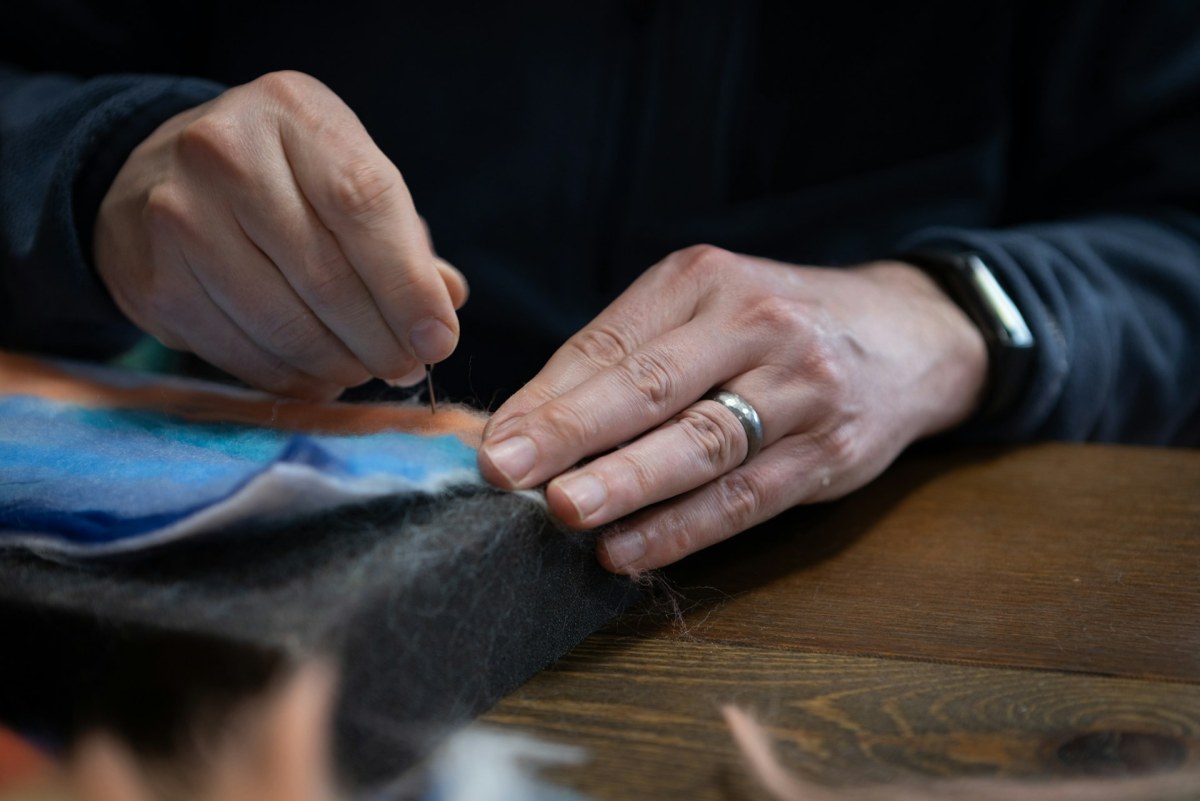
Needle felting (dry felting) is a technique in which you shape wool fibers into three-dimensional objects using a special barbed needle. The needle has tiny notches (barbs) that catch the fibers with each repeated stab and tangle them together — the wool gradually firms up and holds its shape. You don't need water, soap, or heat — just a needle, wool, and a foam pad.
What you need
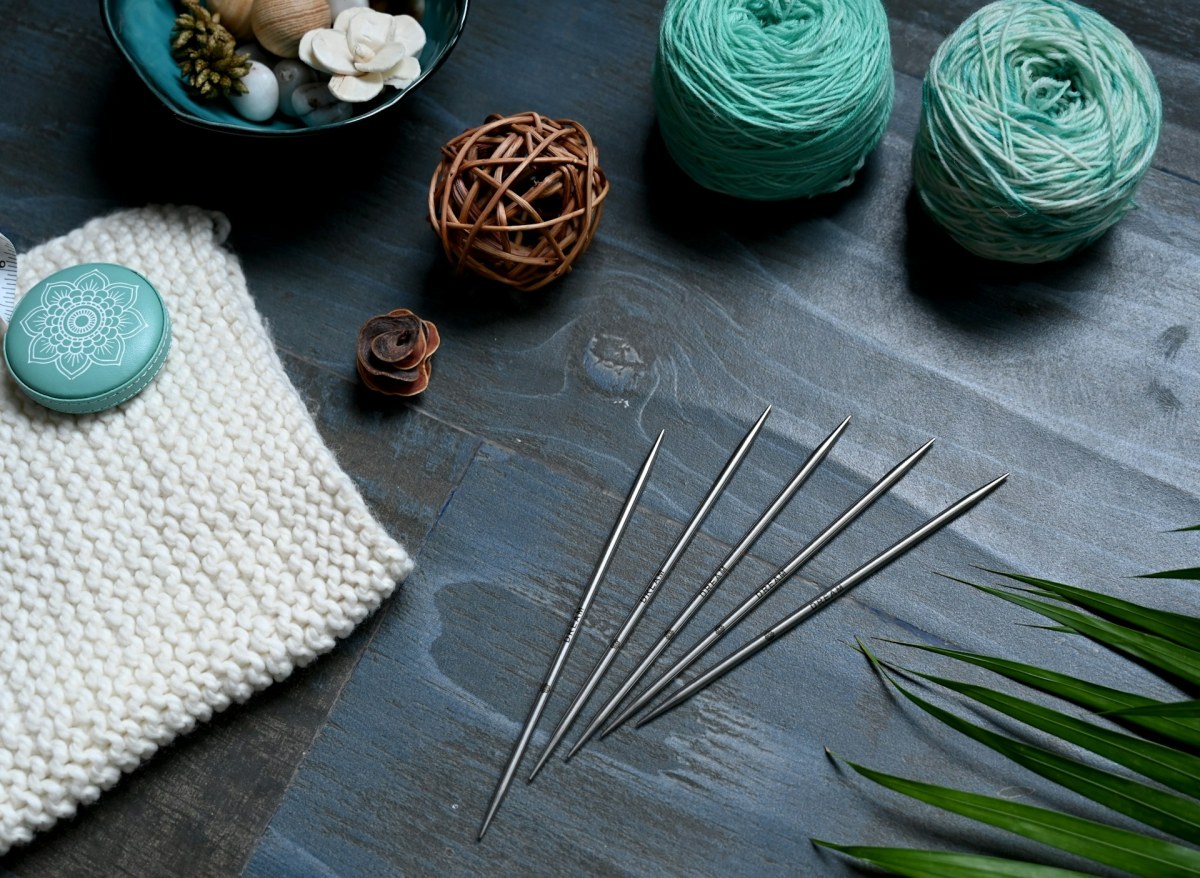
Felting needles — available in various thicknesses (gauge): coarse (36G) for quick shaping, medium (38G) as an all-purpose option, fine (40G) for details and surface finishing. Start with a set of 3–5 needles in different thicknesses.
Wool — merino roving or corriedale works best. It is sold as a roving (top/roving). A set of 5–10 colors is enough to begin with.
Foam pad — protects your table and needle. Use dense foam or a specialized felting mat. An alternative is a foam sponge pillow.
Basic techniques
Shaping a ball
Tear off a length of wool roving, roll it into a rough ball, and begin stabbing it with the needle from different sides. The fibers tangle together and the ball firms up and shrinks. Rotate it and stab evenly — otherwise it will be uneven. After 5–10 minutes you have a solid ball — the foundation for a head, body, or apple.
Joining pieces
To join two pieces, hold the loose fibers of one piece against the other and stab the needle at the join. The fibers will intermingle and the pieces will fuse together. For a stronger join, add a thin strand of wool over the seam.
Adding color
Place a thin strand of colored wool on the surface and stab it with a fine needle (40G). The fibers will felt into the base. This is how you create eyes, facial features, patterns, and details.
First project: Wool hedgehog
Body: a brown ball (3 cm). Head: a smaller beige ball (2 cm), felted onto the body. Nose: a small black ball. Eyes: two tiny black dots. Spines: short strands of brown wool, felted at one end to the body with the other end left free. The entire hedgehog takes 30–60 minutes.
Safety
Felting needles are extremely sharp — stabbing your finger hurts and draws blood. Work slowly and carefully. Never stab in the direction of the fingers holding the wool. Leather finger guards are a worthwhile investment. Needles will break over time — keep spares on hand.
Needle felting vs. wet felting
| Property | Needle felting (dry) | Wet felting |
|---|---|---|
| Tool | Barbed needle | Water + soap + friction |
| Result | 3D figurines, details | Flat pieces (felt, scarves) |
| Precision | High (detailed shaping) | Lower (flat work) |
| Mess | None | Water, soap |