Why Needle Size Matters
Knitting needle size directly determines stitch size, fabric density, and the overall appearance of your finished piece. Needles that are too small create stiff, inflexible fabric. Needles that are too large create loose, see-through knitting. The right combination of needles and yarn is the foundation of a successful project.
Needle Size Conversion Chart
| Metric (mm) | US Size | UK Size | Recommended Yarn |
|---|---|---|---|
| 2.0 | 0 | 14 | Lace weight |
| 2.25 | 1 | 13 | Fingering weight |
| 2.75 | 2 | 12 | Fingering weight |
| 3.0 | — | 11 | Sport weight |
| 3.25 | 3 | 10 | Sport weight |
| 3.5 | 4 | — | Sport / DK |
| 3.75 | 5 | 9 | DK |
| 4.0 | 6 | 8 | DK / worsted |
| 4.5 | 7 | 7 | Worsted |
| 5.0 | 8 | 6 | Worsted (medium) |
| 5.5 | 9 | 5 | Worsted / aran |
| 6.0 | 10 | 4 | Aran / bulky |
| 6.5 | 10½ | 3 | Bulky |
| 7.0 | — | 2 | Bulky |
| 8.0 | 11 | 0 | Super bulky |
| 9.0 | 13 | 00 | Super bulky |
| 10.0 | 15 | 000 | Super bulky / jumbo |
| 12.0 | 17 | — | Jumbo |
| 15.0 | 19 | — | Jumbo |
| 20.0 | 36 | — | Jumbo / roving |
| 25.0 | 50 | — | Extreme jumbo |
Types of Knitting Needles
Straight needles — classic paired needles with a point on one end and a stopper on the other. Suitable for flat knitting (back and forth). Lengths 25–40 cm. Most common type for beginners.
Circular needles — two short tips connected by a cable. Used for knitting in the round (hats, socks, sleeves) and for flat knitting (afghans). More versatile than straight needles — most experienced knitters work exclusively on circular needles.
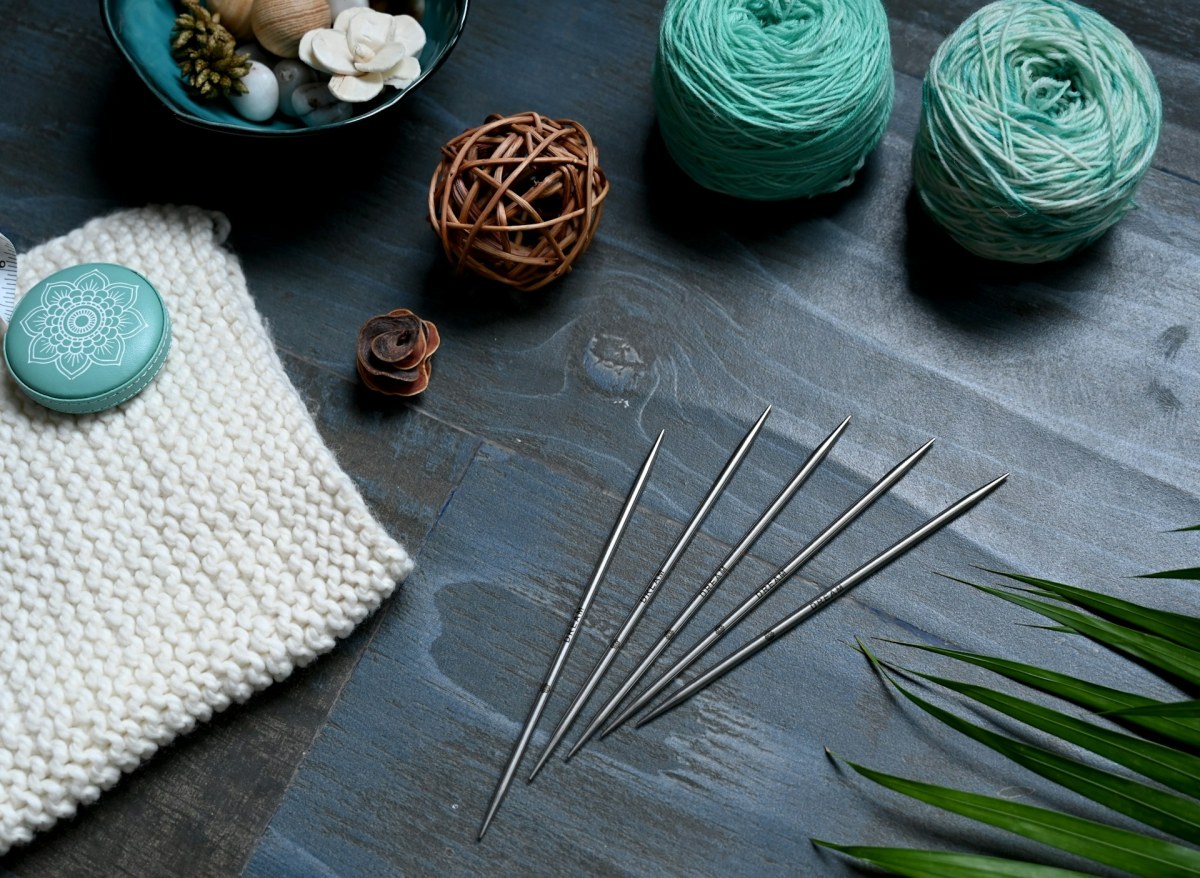
Double pointed needles (DPNs) — short needles (15–20 cm) with points on both ends. Used in sets of 4–5 pieces for knitting small circumferences (socks, gloves, thumbs). Gradually being replaced by circular needles with the magic loop method.
Interchangeable systems — set of tips in various sizes + cables in different lengths. Tips screw onto cables — one set covers all your needs. Economical and practical solution.
Needle Materials
Metal (aluminum, steel, brass) — smooth surface, yarn glides quickly. Ideal for fast knitting and cotton yarn. Cool to the touch.
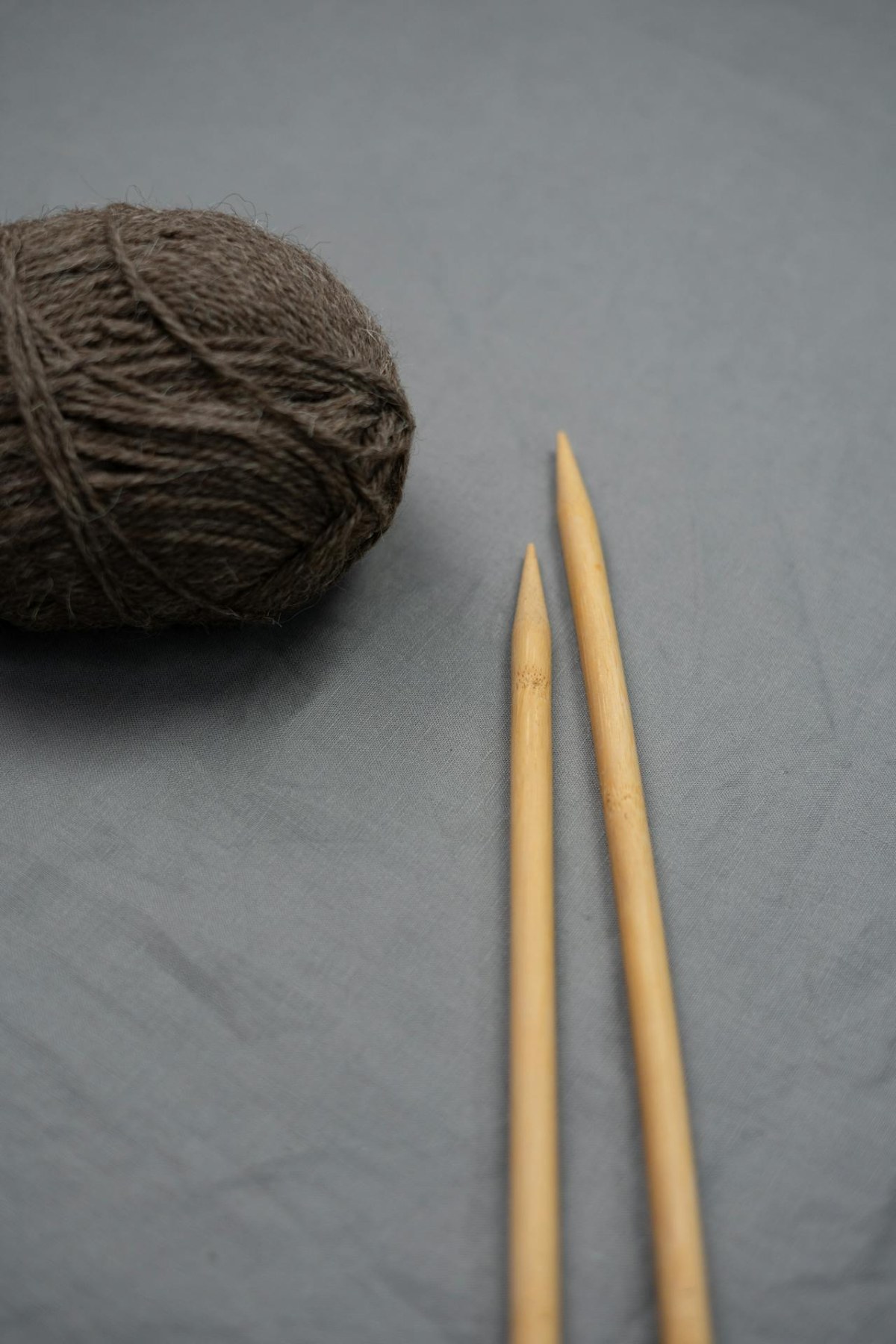
Wood/bamboo — warm, lightweight, yarn slides less. Good for slippery yarns (silk, acrylic) and for knitters with sore joints (lighter weight). May wear down over time.
Plastic — least expensive, lightweight. Suitable for large sizes (8mm+) where metal needles would be heavy.
Carbon fiber — modern material, lightweight and strong. Smooth surface like metal, warm like wood. More expensive.
How to Choose the Right Needles
Check your yarn label — it shows the recommended needle size. This is your starting point. Then knit a gauge swatch 10×10 cm and measure your stitch count — if you have more stitches than the label indicates, you need larger needles. If fewer, smaller needles.
For beginners, I recommend bamboo straight needles size 5–6 mm with worsted weight yarn — stitches are clearly visible, yarn doesn't slip, and work grows quickly.