What is acrylic yarn
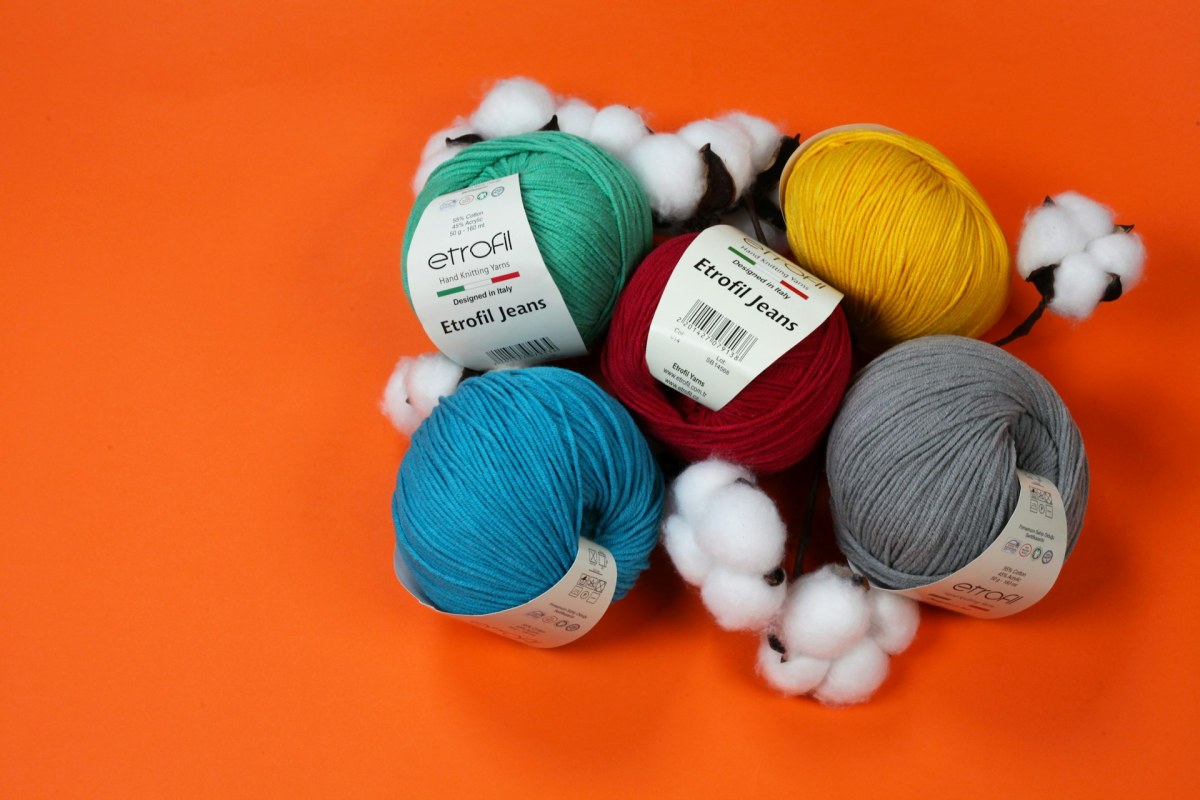
Acrylic yarn is a synthetic fiber made from polyacrylonitrile — a product of the petrochemical industry. It is the best-selling yarn in the world thanks to its low price, easy care, and enormous range of colors. Most beginners start with acrylic, and many stick with it.
Properties
Affordable — 2–5× cheaper than natural fibers. Ideal for large projects (blankets) and for beginners who are learning and don't want to waste expensive yarn.
Machine washable — acrylic can handle both the washing machine and the dryer (on a low heat setting). For children's clothing and gifts, this is a key advantage — the recipient doesn't need to hand wash.
Hypoallergenic — contains no lanolin or animal proteins. Suitable for allergy sufferers and vegans.
Does not felt — no risk of shrinking or felting. A forgiving material.
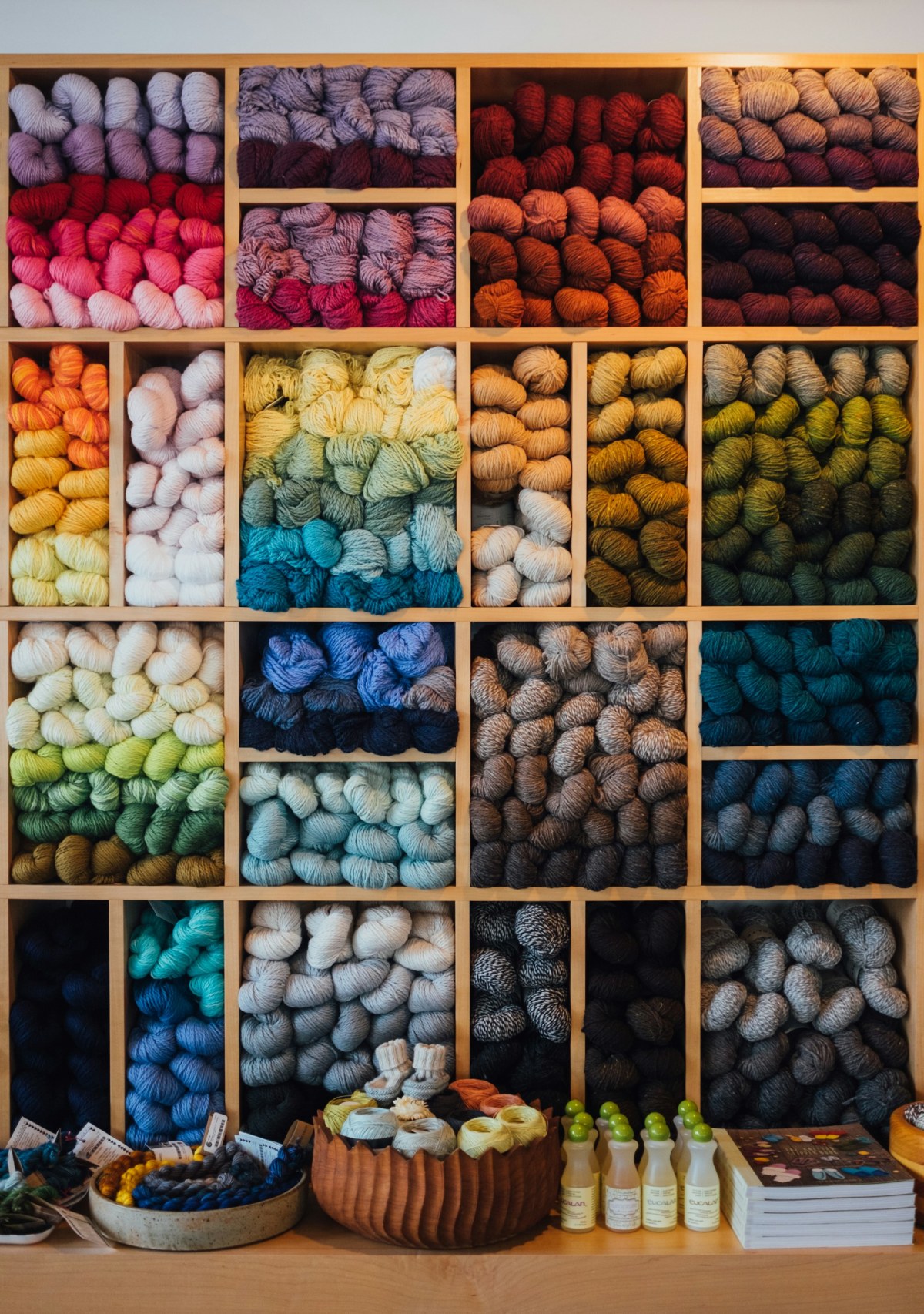
Huge color selection — acrylic takes dye easily and intensely. Neon, pastel, marled — anything you can imagine.
Disadvantages
Does not regulate temperature — unlike wool, it does not absorb moisture. You sweat in the heat, and in winter it doesn't insulate as well as wool.
Pilling — over time, pills form on the surface. High-quality acrylic (anti-pill) pills less.
Plastic feel — cheap acrylic has a "plastic" feel. Premium acrylic (e.g., Stylecraft Special, Caron Simply Soft) is significantly softer.
Environmental impact — a synthetic fiber derived from petroleum, it does not biodegrade. It releases microplastics when washed.
Acrylic vs. wool
| Property | Acrylic | Wool |
|---|---|---|
| Price | Low | Medium–high |
| Washing | Machine + dryer | Hand wash (or superwash) |
| Temperature regulation | Poor | Excellent |
| Elasticity | Low | High |
| Allergies | Hypoallergenic | May cause irritation |
| Felting | No | Yes (non-superwash) |
| Feel | Plastic (cheap) / soft (premium) | Natural, warm |
When to use acrylic
Blankets and pillows — large projects require a lot of yarn. Acrylic is affordable and machine washable.
Children's clothing — parents will appreciate machine washability. Kids get things dirty.
Amigurumi — toys need to be washable and durable. Acrylic is ideal.
Beginners — inexpensive yarn for practice. When you frog and re-knit, it doesn't cost a fortune.
Gifts — not every recipient will hand wash a wool sweater. Acrylic is a practical gift.
When NOT to use acrylic
Outdoor clothing — poor temperature regulation. In winter in the mountains, you want wool or merino.
Luxury projects — dresses, elegant shawls. Acrylic lacks the feel and drape.