What is alpaca yarn
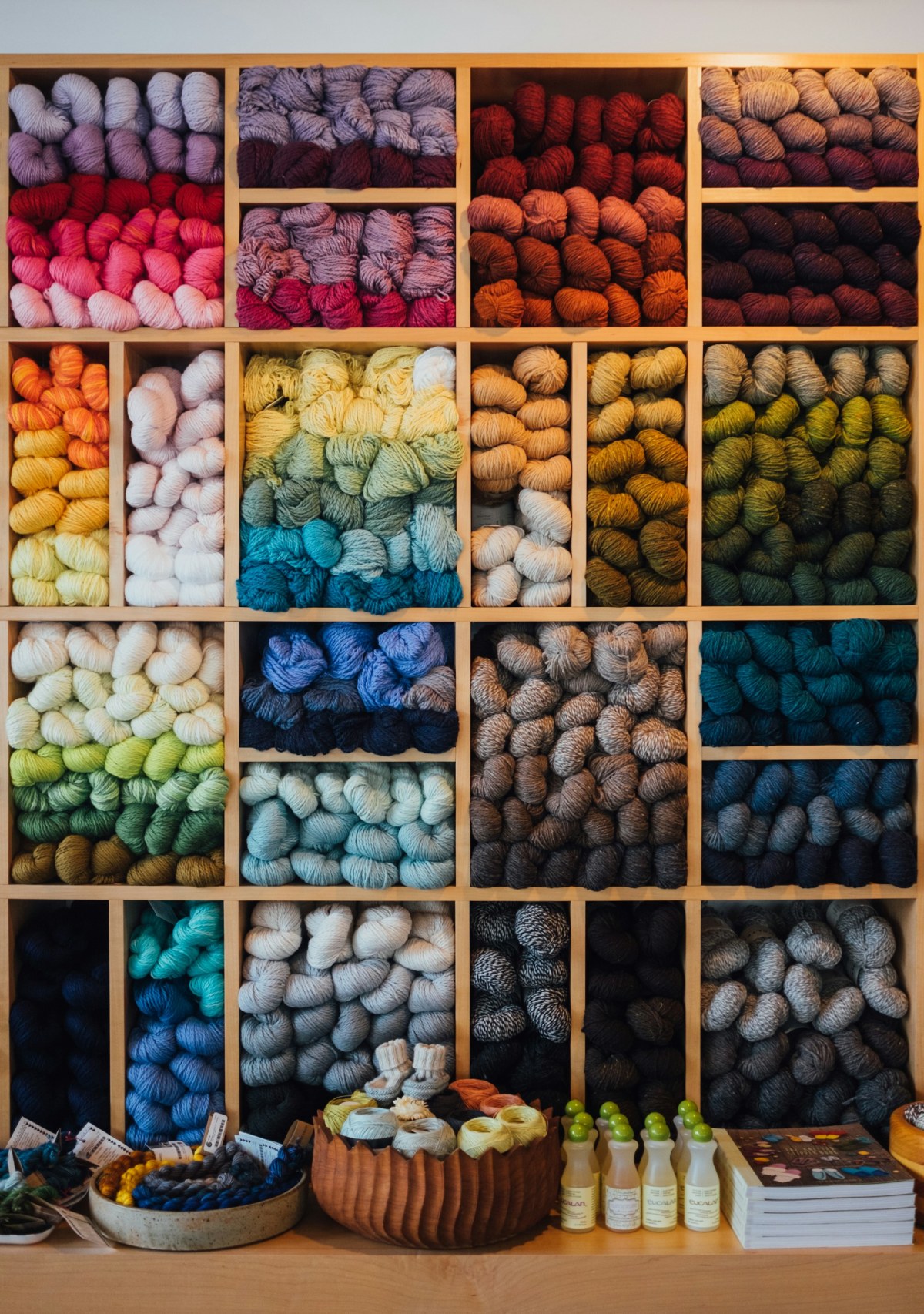
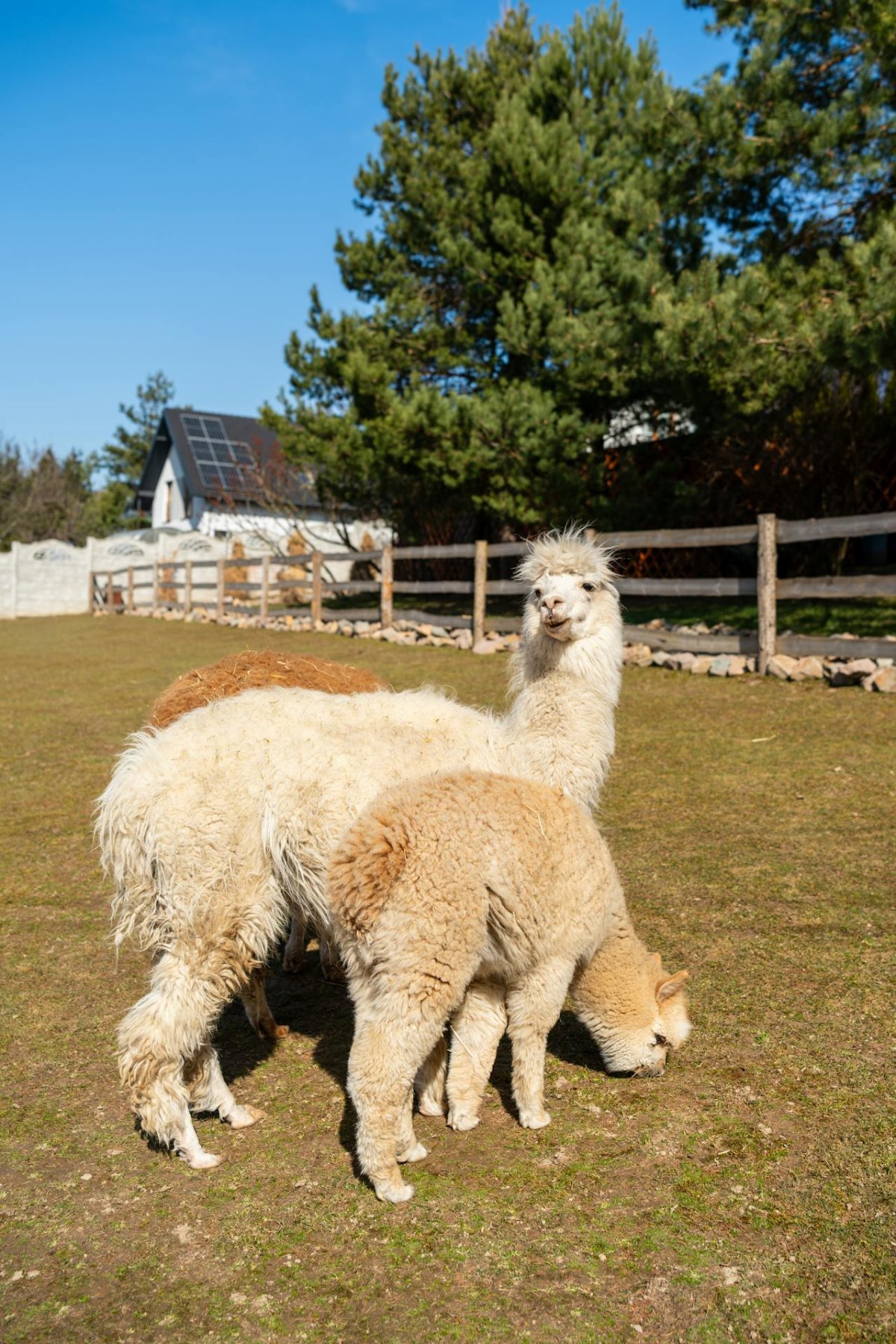
Alpaca yarn is made from alpaca wool — a South American animal from the camelid family, related to the llama. Alpaca fiber is finer than sheep's wool, hypoallergenic (contains no lanolin), exceptionally warm and lightweight. It's one of the most luxurious natural materials for knitting and crocheting.
Alpacas are raised primarily in Peru, Bolivia and Chile, but farms also exist in Europe and North America. Shearing occurs once a year and yields 2–5 kg of wool per alpaca.
Types of alpaca
Huacaya — the most common type (90% of population). The fiber is soft, slightly crimped, similar to sheep's fleece. Most alpaca yarn on the market is from huacaya.
Suri — rarer (10% of population). The fiber is straight, silky lustrous, and drapes beautifully. Suri alpaca yarn has a distinctive shine and luxurious drape. It's more expensive and less available.
Baby alpaca — fiber from a young animal's first shearing or the finest fibers from an adult alpaca (under 23 microns). Extremely soft, suitable for sensitive skin and children's clothing.
Royal alpaca — the finest grade (under 19.5 microns). Rare and expensive — comparable to cashmere.
Properties of alpaca fiber
| Property | Alpaca | Merino | Cashmere |
|---|---|---|---|
| Fineness (microns) | 18–30 | 17–24 | 14–19 |
| Warmth | Very high | High | High |
| Lanolin | No | Yes | Yes |
| Allergenicity | Hypoallergenic | May irritate | Rarely |
| Elasticity | Low | High | Medium |
| Durability | High | Medium | Low |
| Price | Medium–high | Medium | High |
How to work with alpaca yarn
Low elasticity — alpaca fiber lacks natural memory like merino. Garments may stretch and won't return to their original shape. Solutions: knit or crochet more tightly (smaller needles/hook), blend with yarn containing merino or nylon for elasticity, and avoid large, heavy projects that would stretch under their own weight.
Drape — alpaca drapes beautifully, which is an advantage for shawls and throws. In sweaters, however, it can cause stretching in shoulders and sides. Add ribbing to side seams or combine with more elastic yarn.
Temperature regulation — alpaca fiber is hollow and insulates excellently. It's warmer than merino at the same weight. Great for winter accessories, but too warm for summer wear.
Caring for alpaca items
Hand wash in lukewarm water (30°C) with gentle wool detergent. Don't wring — gently squeeze in a towel. Dry flat on a level surface in the correct shape. Never hang wet alpaca items — they will stretch. Store folded (not on hangers) with moth protection — lavender or cedar balls.
What projects suit alpaca
Shawls and scarves — softness and drape work best here. Beautiful, luxurious results.
Hats — warm, lightweight, pleasant on skin. Ideal for allergy sufferers.
Children's clothing — baby alpaca is hypoallergenic and exceptionally soft.
Sweaters — yes, but combine with merino for elasticity, or choose looser cuts where stretching doesn't matter.