Three Groups of Fibers
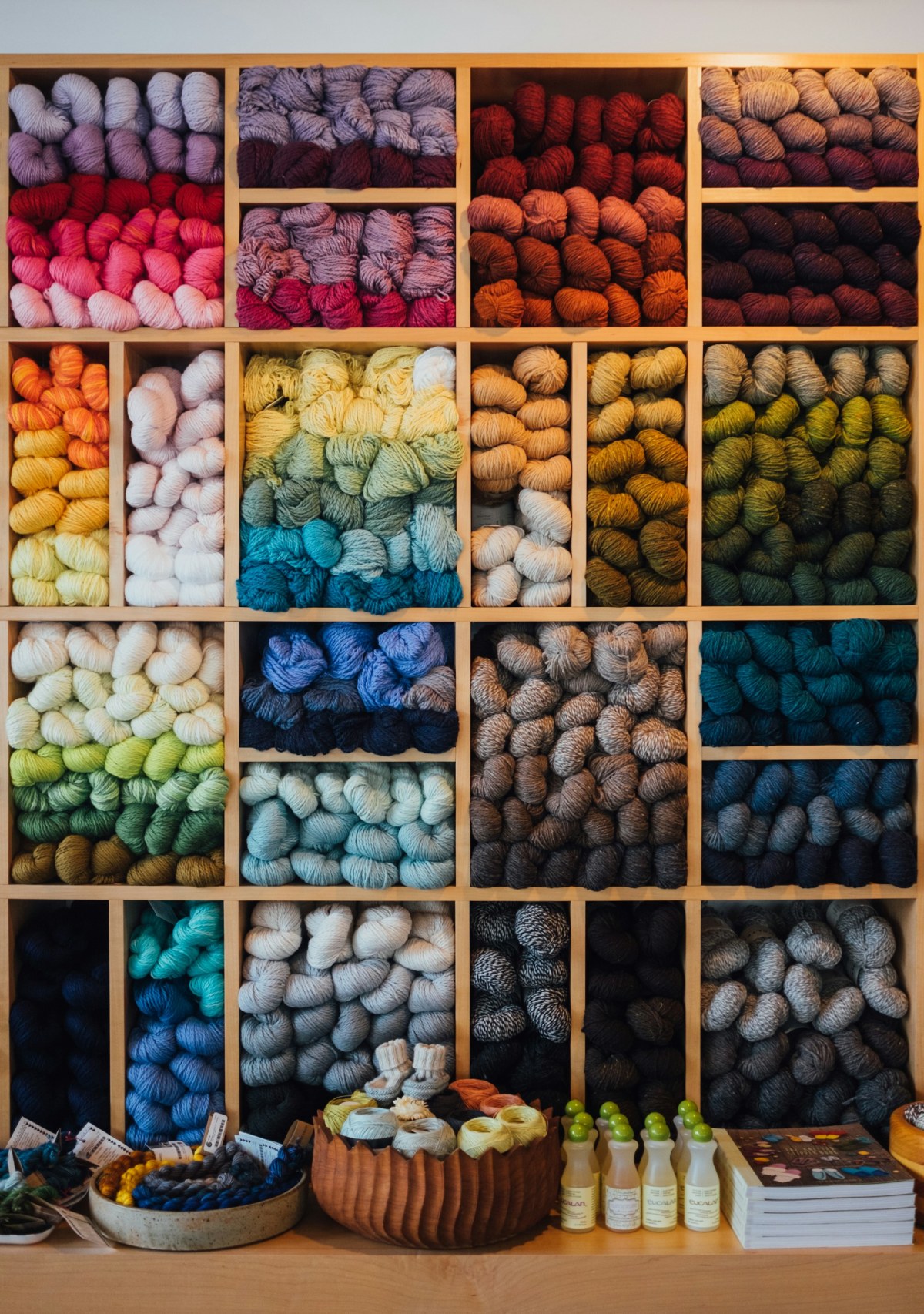
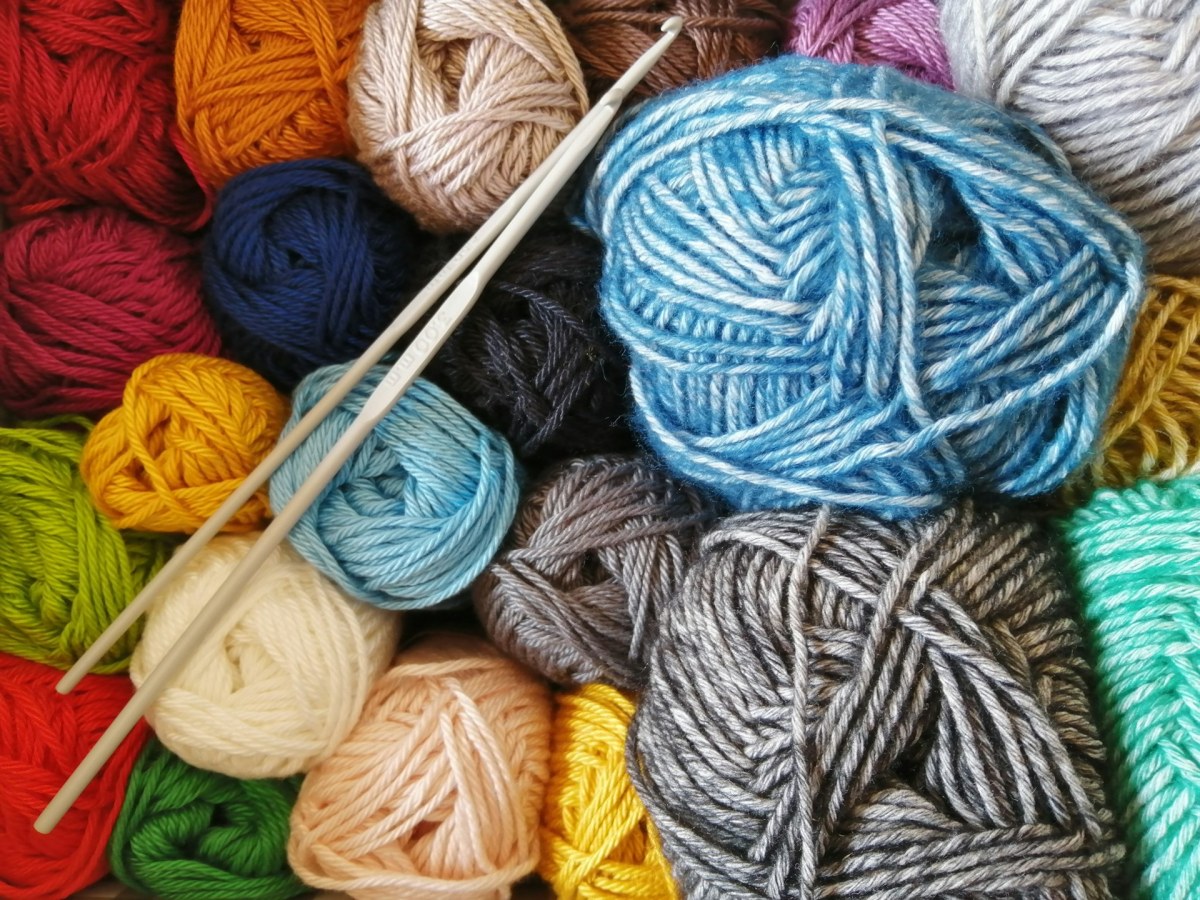
All fibers used in yarn fall into three groups: animal (wool, silk, alpaca), plant (cotton, linen, bamboo), and synthetic (acrylic, nylon, polyester). Each group has fundamentally different properties that influence the choice for a specific project.
Animal Fibers (Protein-Based)
Sheep's wool — the most widespread. Elastic, warm, naturally antibacterial. Felts (except superwash). Merino = the finest.
Alpaca — softer than wool, hypoallergenic, very warm. Lower elasticity — can stretch out.
Mohair — from the Angora goat. Shiny, fluffy halo effect. Often added to other yarn for softness and sheen.
Cashmere — from the cashmere goat. The finest and most luxurious fiber. Extremely soft and lightweight, but expensive and less durable.
Silk — from the cocoon of the silkworm. Shiny, strong, drapey. Cool in summer. Often blended with wool or cotton.
Plant Fibers (Cellulose-Based)
Cotton — the most widely used plant fiber. Cool, absorbent, strong. Does not stretch — finished items can sag. Ideal for summer garments and kitchen accessories.
Linen — from the bast fibers of the flax plant. Very strong, cool, with a distinctive rustic appearance. Improves with wear — becomes softer.
Bamboo — from bamboo cellulose (viscose process). Silky sheen, soft, drapey. Antibacterial. It is actually a regenerated fiber (rayon), not purely natural.
Synthetic Fibers
Acrylic — the cheapest and most accessible. Machine washable, hypoallergenic. Does not regulate temperature, pills.
Nylon (polyamide) — very strong and durable. Added to sock yarn (20–25%) for abrasion resistance. Not used on its own.
Polyester — strong, quick-drying. Less common in knitting yarn, more prevalent in industrial textiles.
Comparison Table
| Property | Wool | Cotton | Acrylic |
|---|---|---|---|
| Warmth | Excellent | Cool | Moderate |
| Elasticity | High | Low | Low |
| Absorbency | High | High | Low |
| Washing | Hand wash/superwash | Machine wash | Machine wash |
| Price | Medium–high | Medium | Low |
| Ecology | Renewable | Renewable | Petroleum-based |
Blended Yarns
Many yarns combine multiple fibers — for example, 80% merino + 20% nylon (sock yarn), 50% cotton + 50% acrylic (washable summer yarn), or 70% alpaca + 30% silk (luxury shawl yarn). Blends combine the advantages of both materials and offset their disadvantages.
When choosing yarn, read the label — fiber content affects washing, properties, and suitability for your project.