What Are Short Rows
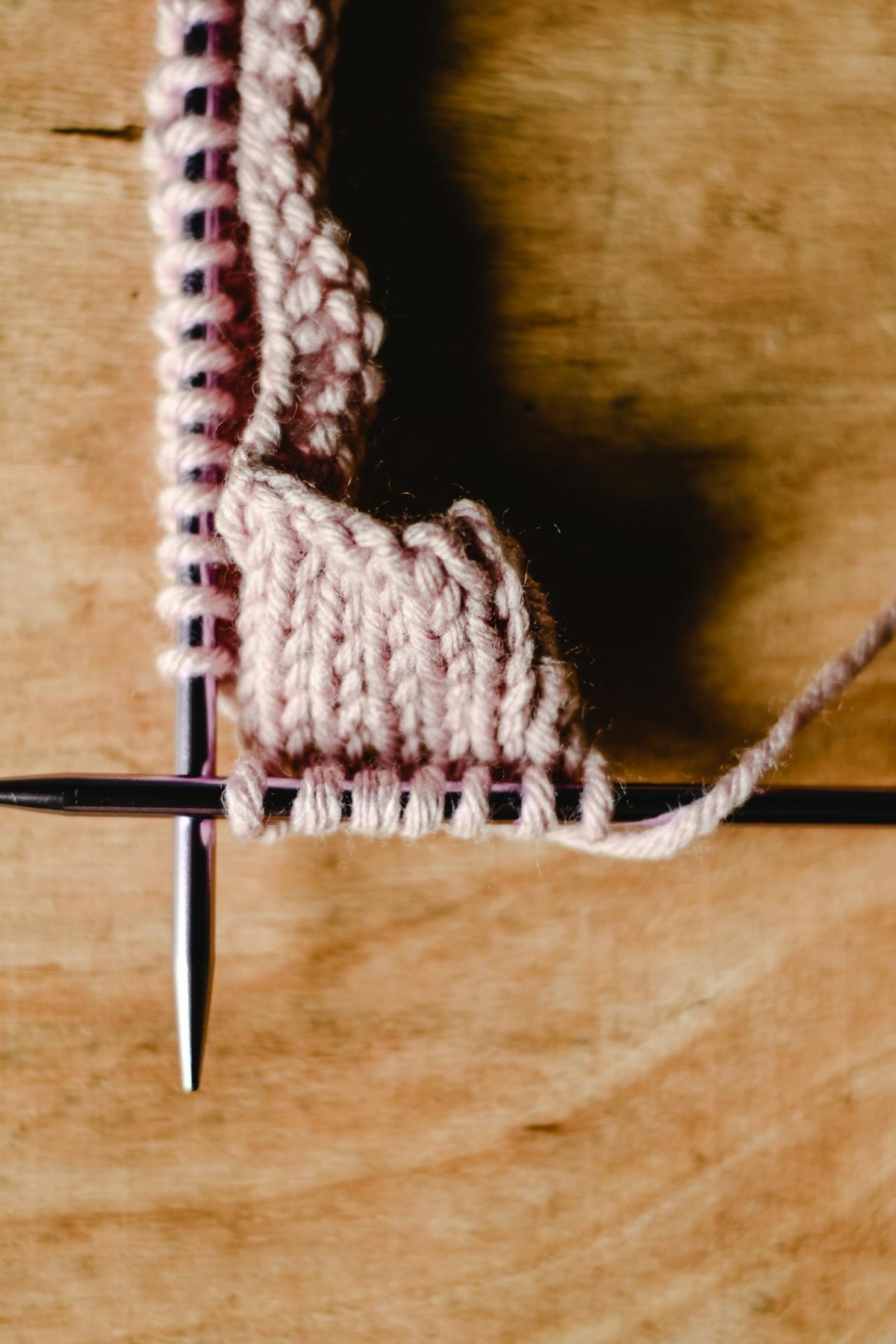
Short rows are rows that you don't knit to the end — you turn your work mid-row and knit back. This adds height to only part of your work, while the rest remains shorter. The result is curvature — the knitting bends, creating an arc or dome shape.
Short rows are used to shape sweater shoulders, sock heels, bust areas in women's sweaters, hoods, and anywhere you need smooth shaping without decreases.
Method 1: Wrap & Turn (W&T)
On right side rows: Knit to the turning point. Bring yarn forward, slip next stitch, yarn back, return stitch to left needle, turn work. The stitch is "wrapped" — wound with yarn.
On wrong side rows: Purl to the turning point. Yarn back, slip stitch, yarn forward, return, turn.
Picking up wraps: When you return over a wrapped stitch in a later row, pick up the wrap and knit it together with the stitch — the wrap disappears.
Method 2: German Short Rows (GSR)
A simpler alternative without wrapping.
Process: Knit to the turning point, turn work. Pull yarn over the needle forward and up so the stitch beneath has two "legs" (double stitch). Continue knitting. When you return over the double stitch, knit both legs as one stitch.
GSR is more popular with modern knitters — it's simpler and the result is cleaner.
Where Short Rows Are Used
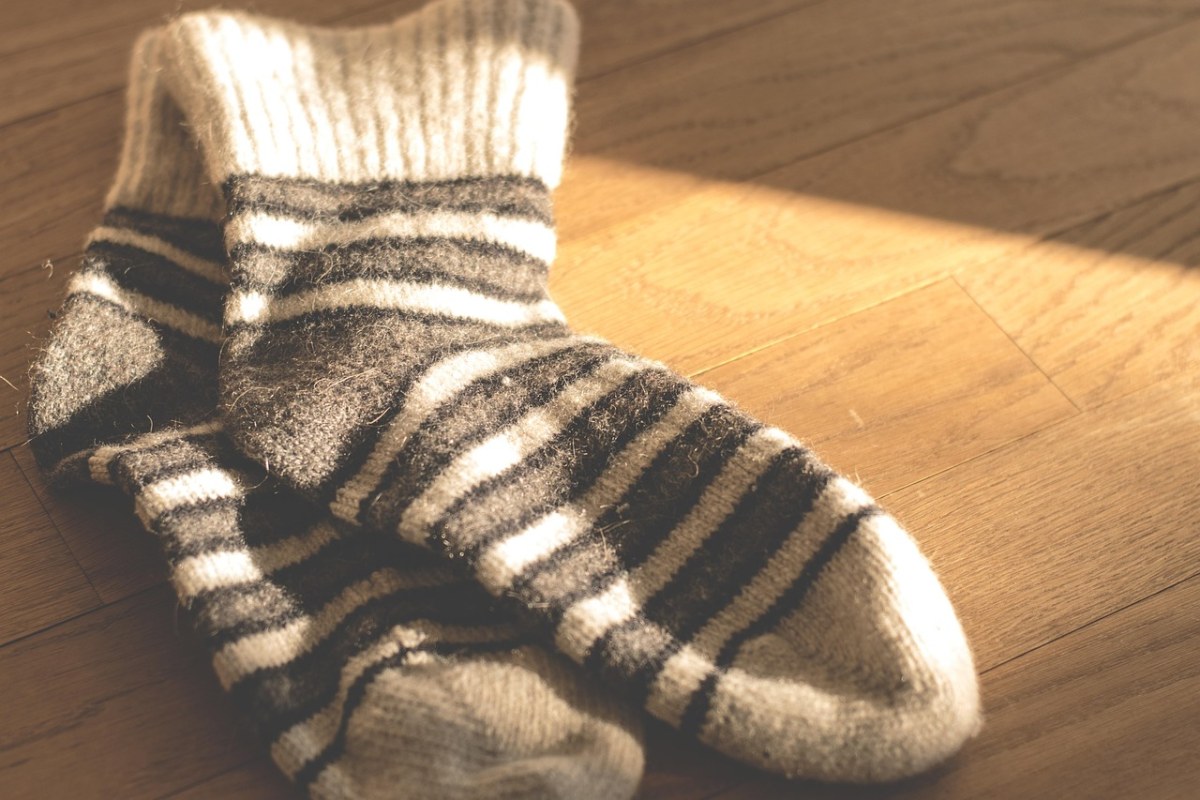
Sock heel (short row heel) — alternative to heel flap. Knit short rows in the middle of sole stitches — with each row you turn one stitch earlier, then back. Result: smooth heel curve without picking up stitches.
Sweater shoulders — instead of stepped bind-off (binding off in groups), knit short rows — the shoulder is smooth and fits better.
Bust darts — adding short rows in the chest area creates room for the bust. The sweater fits better on the female figure.
Asymmetrical shapes — shawls, collars, asymmetrical sweaters.
Tips
Mark your turning points with stitch markers — it's easy to get lost in where you last turned. GSR is simpler for beginners — try it first. And always test short rows on a swatch before incorporating them into a large project.