What is knitting gauge
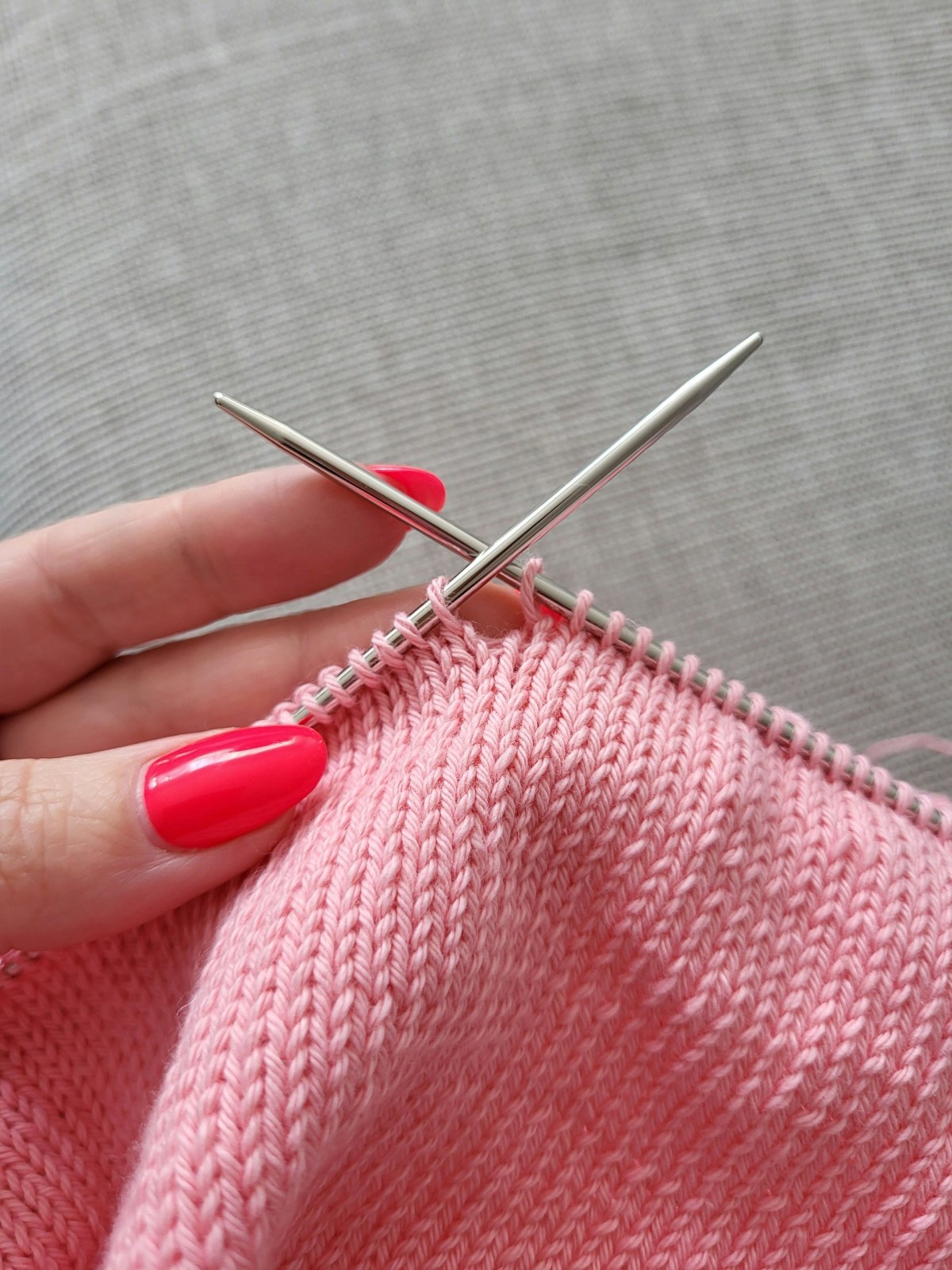
Gauge (also called tension in British terminology) indicates the number of stitches and rows in a 10 × 10 cm square. It's the most important number in every knitting pattern — it determines whether your sweater will fit or be two sizes too big.
Every knitter knits differently — some tightly, some more loosely. The same yarn and needles can produce different gauge for two different people. That's why a test swatch is essential.
How to knit a test swatch
Step 1: Cast on at least 30 stitches (more than 10 cm) using the yarn and needles you plan to use.
Step 2: Knit at least 15 cm in the stitch pattern you'll be using (typically stockinette stitch).
Step 3: Bind off, block (the same way you'll block the finished garment) and let it dry.
Step 4: Lay the swatch on a flat surface. Using a ruler or gauge measure, measure 10 cm in the center of the swatch (not at the edges) and count the stitches. Then measure 10 cm vertically and count the rows.
What to do when gauge doesn't match
| Situation | Cause | Solution |
|---|---|---|
| More stitches than pattern | Knitting too tightly | Larger needles |
| Fewer stitches than pattern | Knitting too loosely | Smaller needles |
| Correct stitch count, wrong rows | Uneven tension | Adjust length, not width |
Always change needles, not your knitting style — trying to knit tighter or looser is unsustainable for an entire project.
When gauge is critical
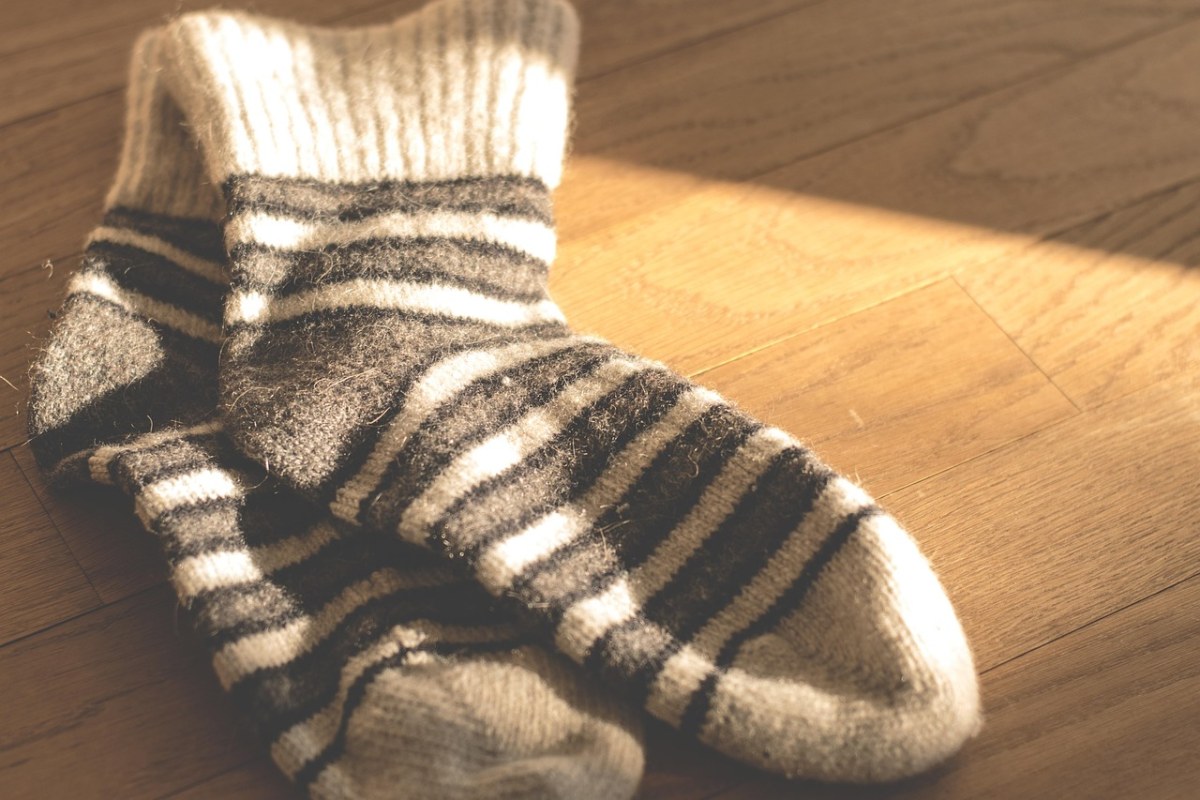
Garments — sweaters, vests, socks. A difference of 1 stitch per 10 cm translates to 4–5 cm in the total circumference of a sweater. That's a whole size.
Accessories with specific dimensions — hats, gloves. A hat should fit snugly — a difference of 2 stitches means a hat that falls over your eyes.
When gauge isn't critical
Scarves and blankets — if you don't mind a scarf being 2 cm wider or narrower, you don't need a swatch.
Dishcloths and toys — dimensions aren't precise, gauge will adapt.
Tip
Don't unravel your test swatch — knit it, block it, measure it, and save it. If you frog your project, the swatch is useful as a reference for future projects with the same yarn.