Materials
Fibers, yarn, dyeing and care.
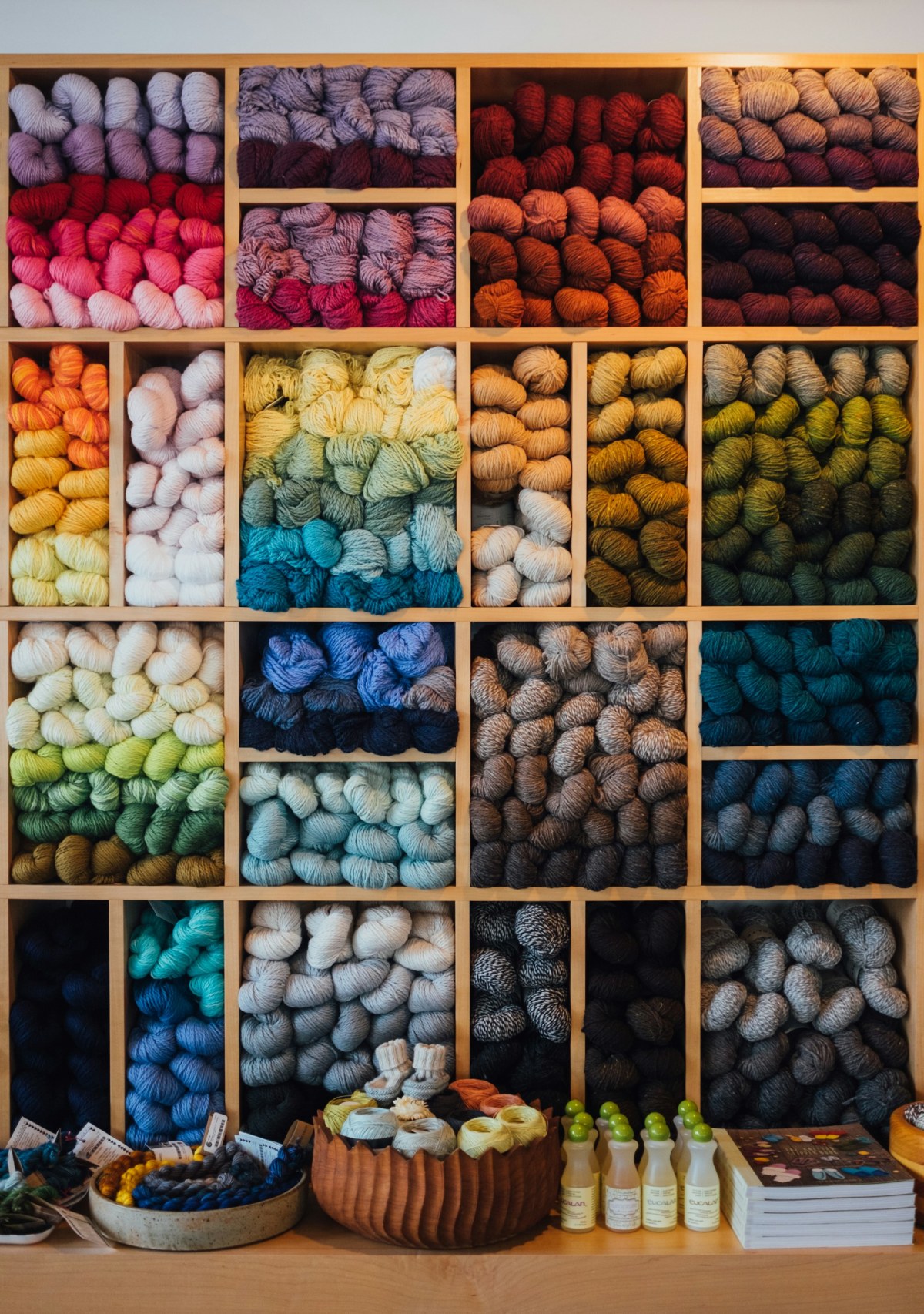
Storing Yarn and Woolen Items — Protection Against Moths and Moisture
How to properly store yarn and woolen items. Protection against moths, moisture, and UV radiation. Organizing your yarn stash.
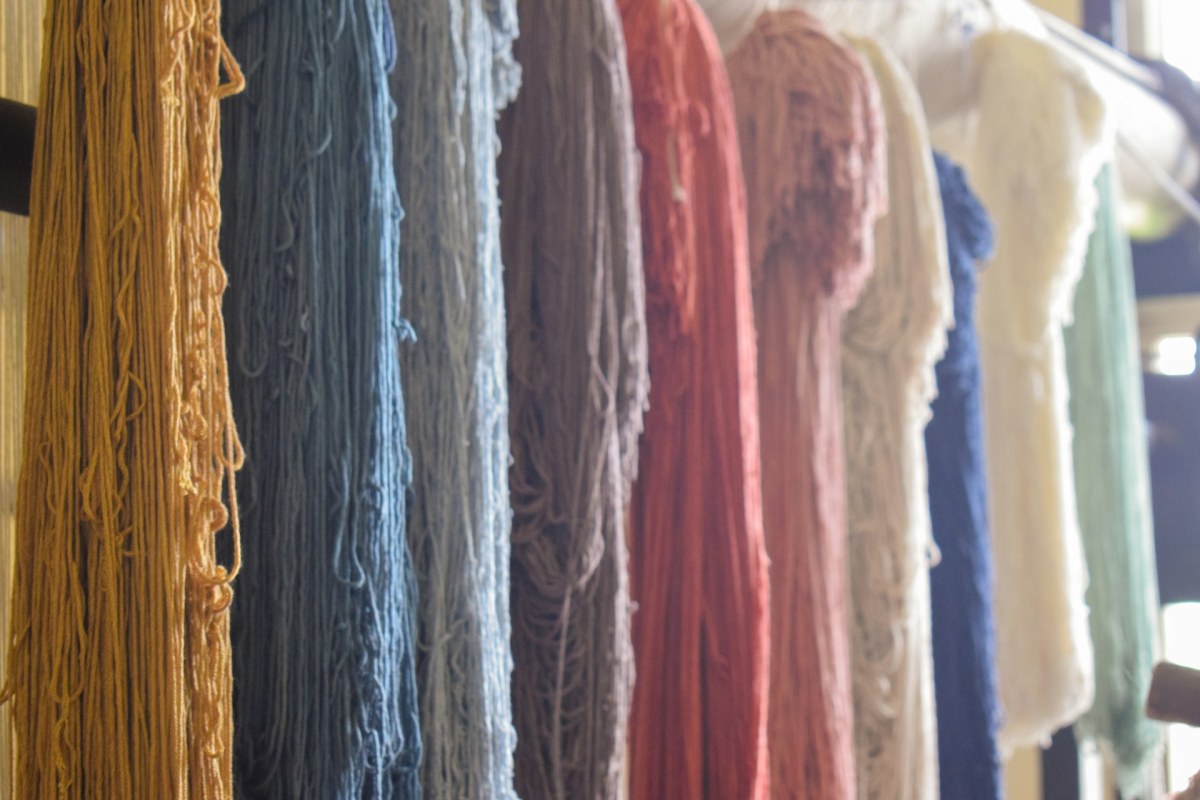
Fiber Reactive Dyes for Cotton and Linen — How to Dye Plant-Based Fibers
Fiber reactive dyes are the best way to dye cotton, linen, and other plant-based fibers. Learn the principles, process, and how they differ from acid dyes.
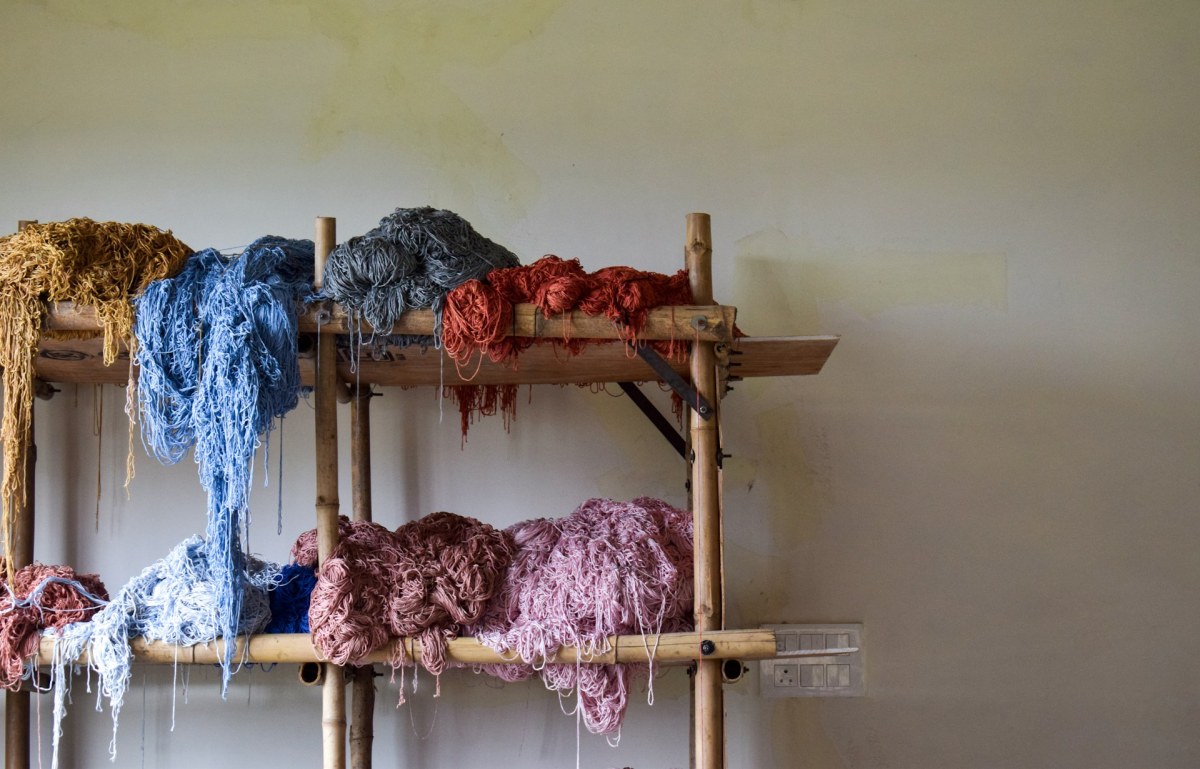
Natural Yarn Dyeing — Plants, Mordants and Traditional Techniques
How to dye yarn with natural dyes from plants. Mordants (alum, iron), traditional colours (onion, walnut, indigo) and a step-by-step process.
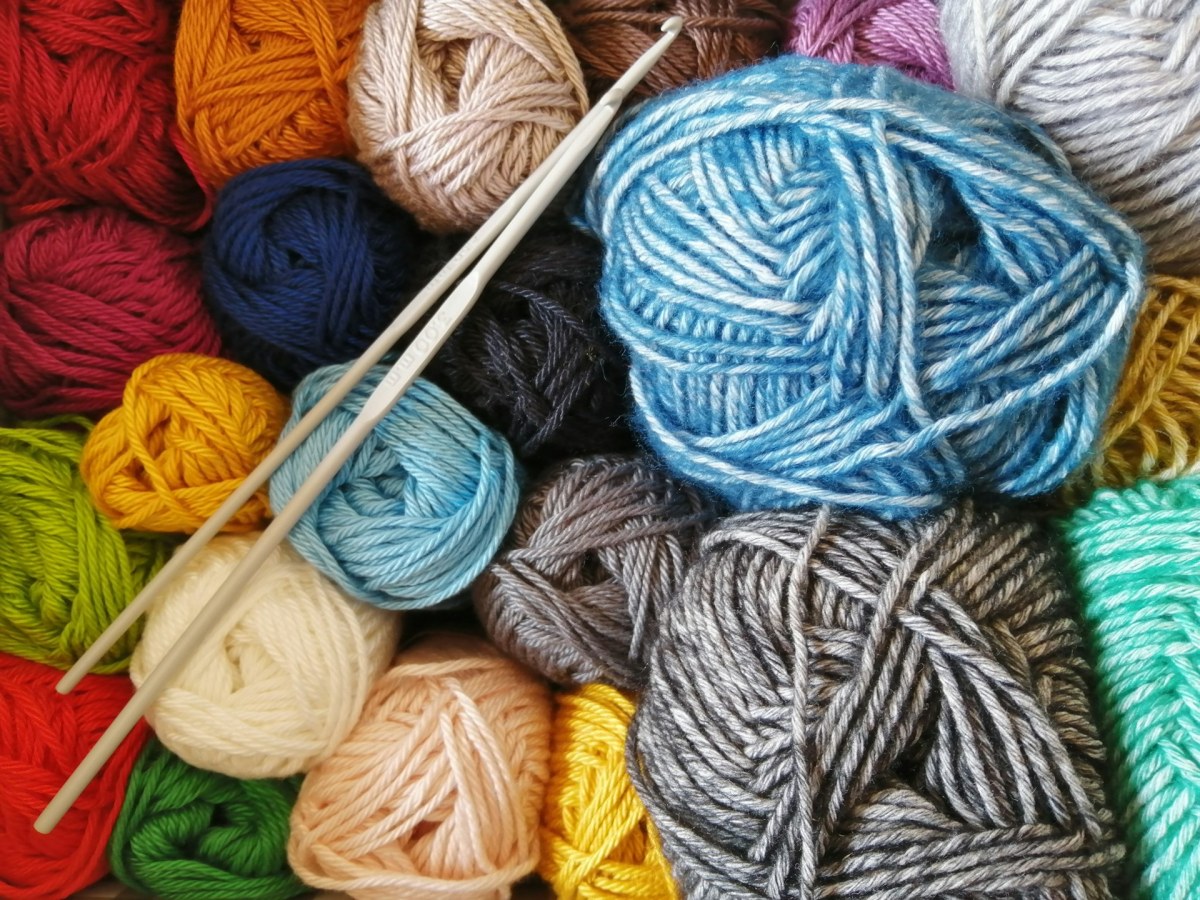
Yarn Composition — Natural vs. Synthetic Fibers and Their Properties
An overview of materials used in yarn: animal, plant, and synthetic fibers. Properties, advantages, disadvantages, and how to choose.
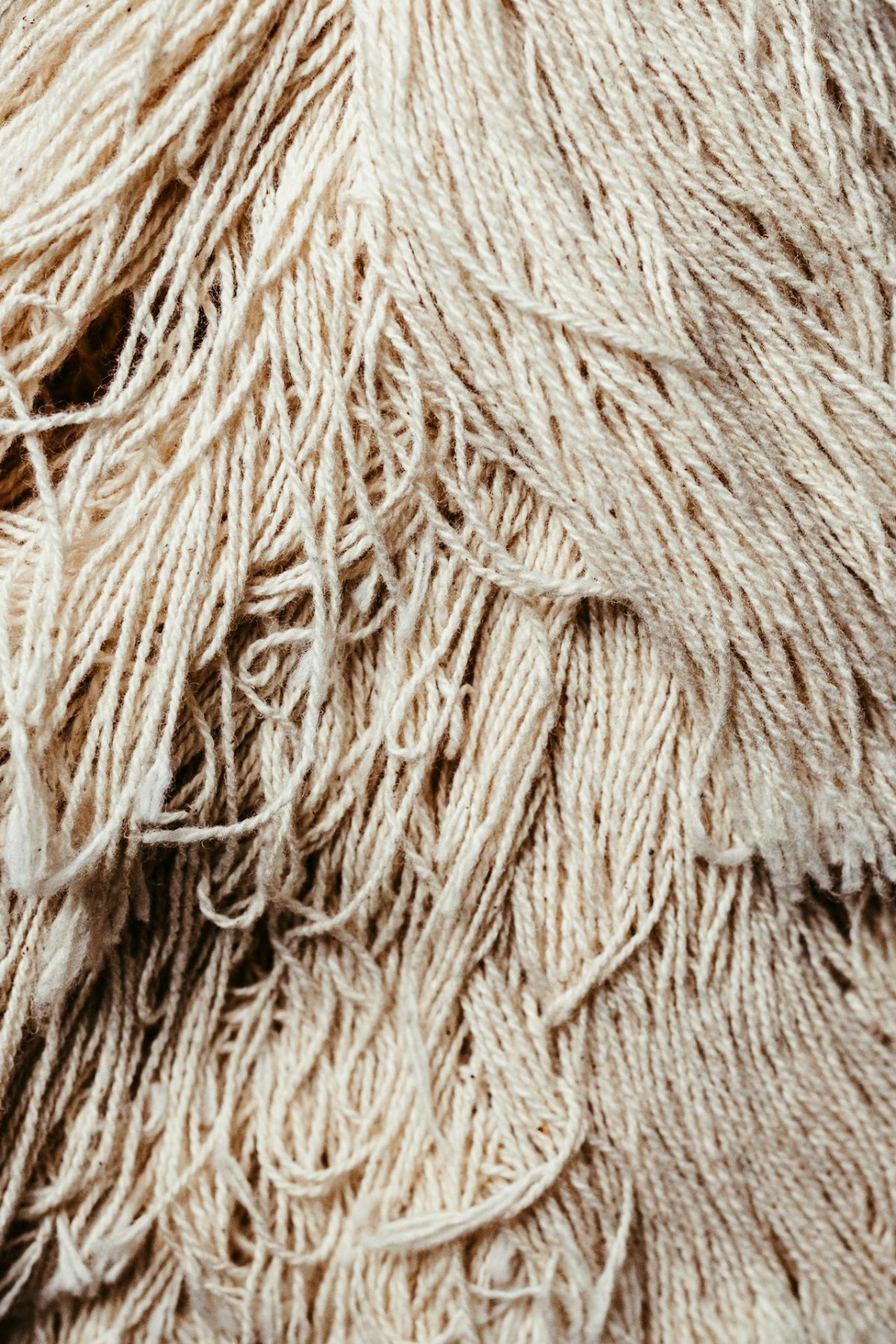
Yarn Construction — Twist, Plying, and How They Affect Your Work
How yarn is made: S and Z twist, single vs. plied yarn, ply count, and how construction affects knitting and crochet.
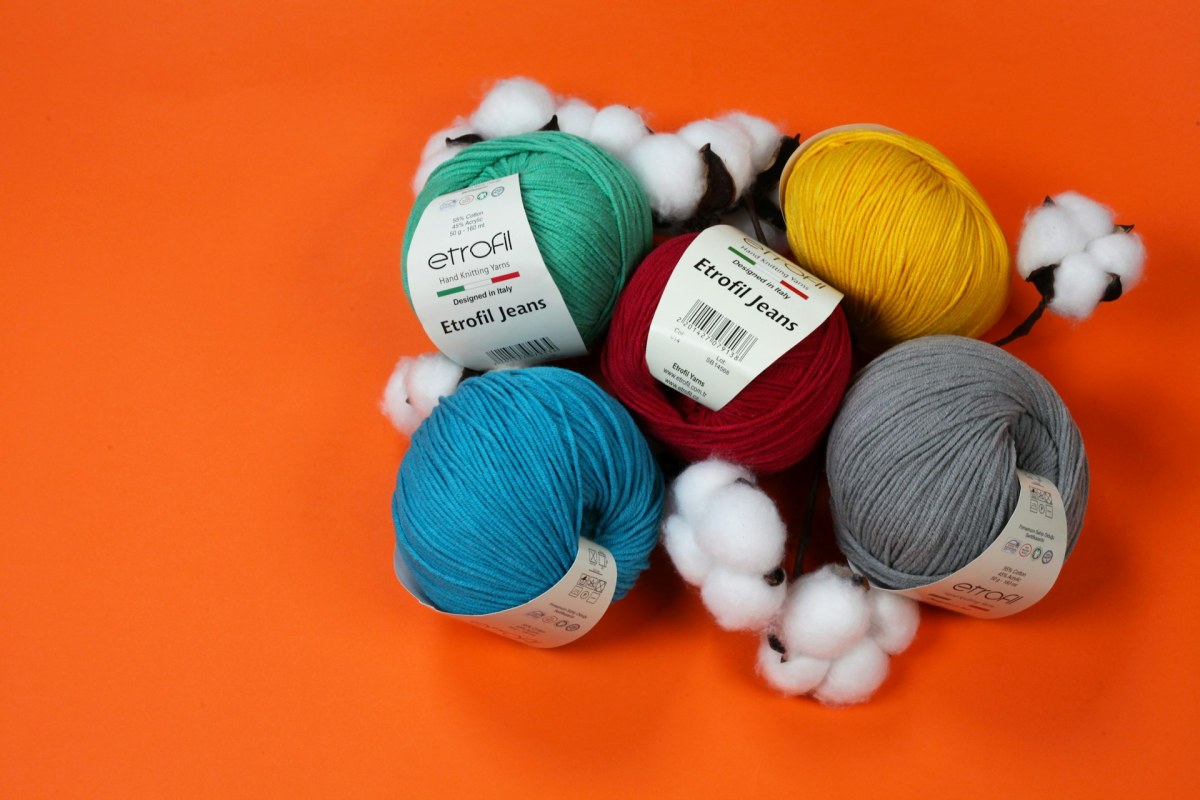
Acrylic Yarn — Properties, Advantages, Disadvantages, and When to Use It
Acrylic yarn is the most affordable and widely used synthetic yarn. Properties, comparison with wool, care instructions, and which projects it suits best.
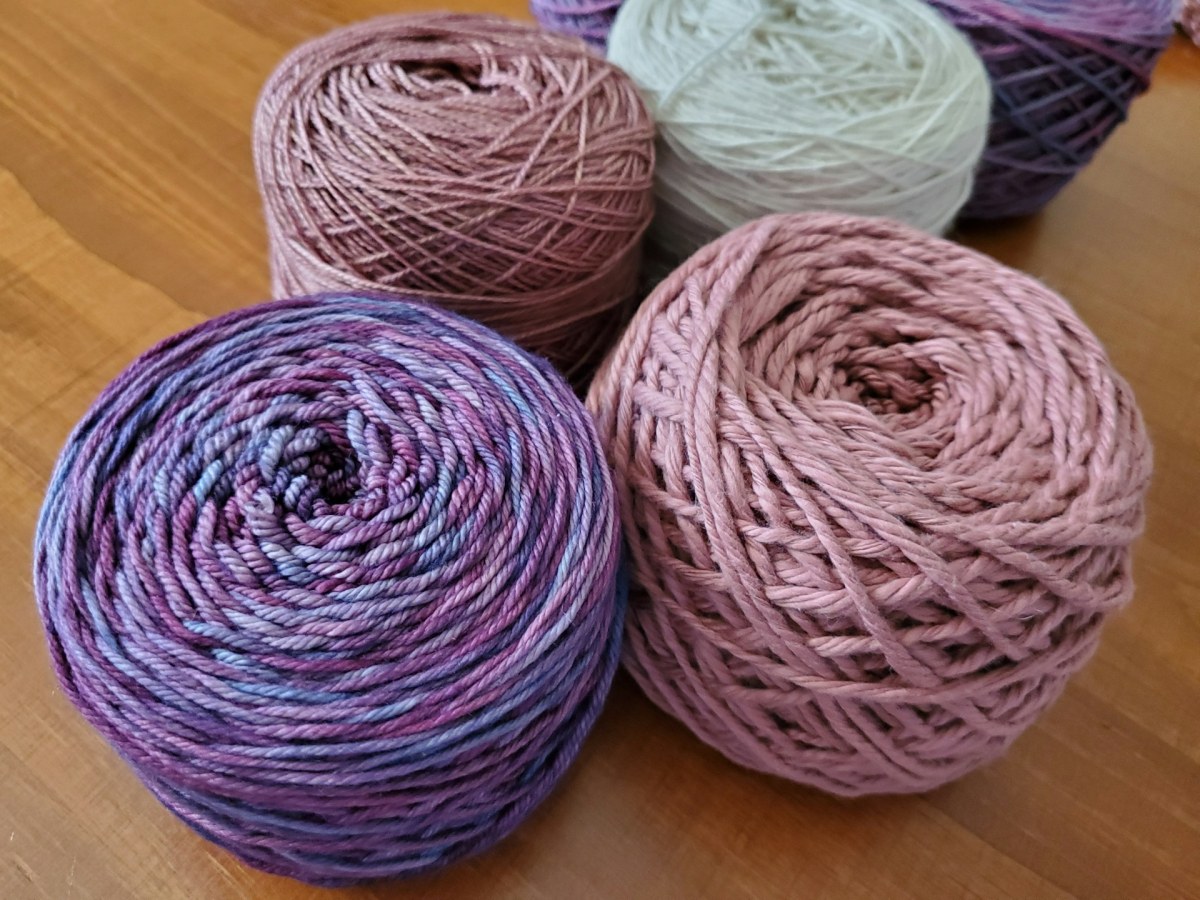
Merino Yarn — Properties, Superwash and How to Work With It
Merino wool is the most popular natural yarn for knitting. Properties of merino fiber, the difference between superwash vs. classic, care and suitable projects.
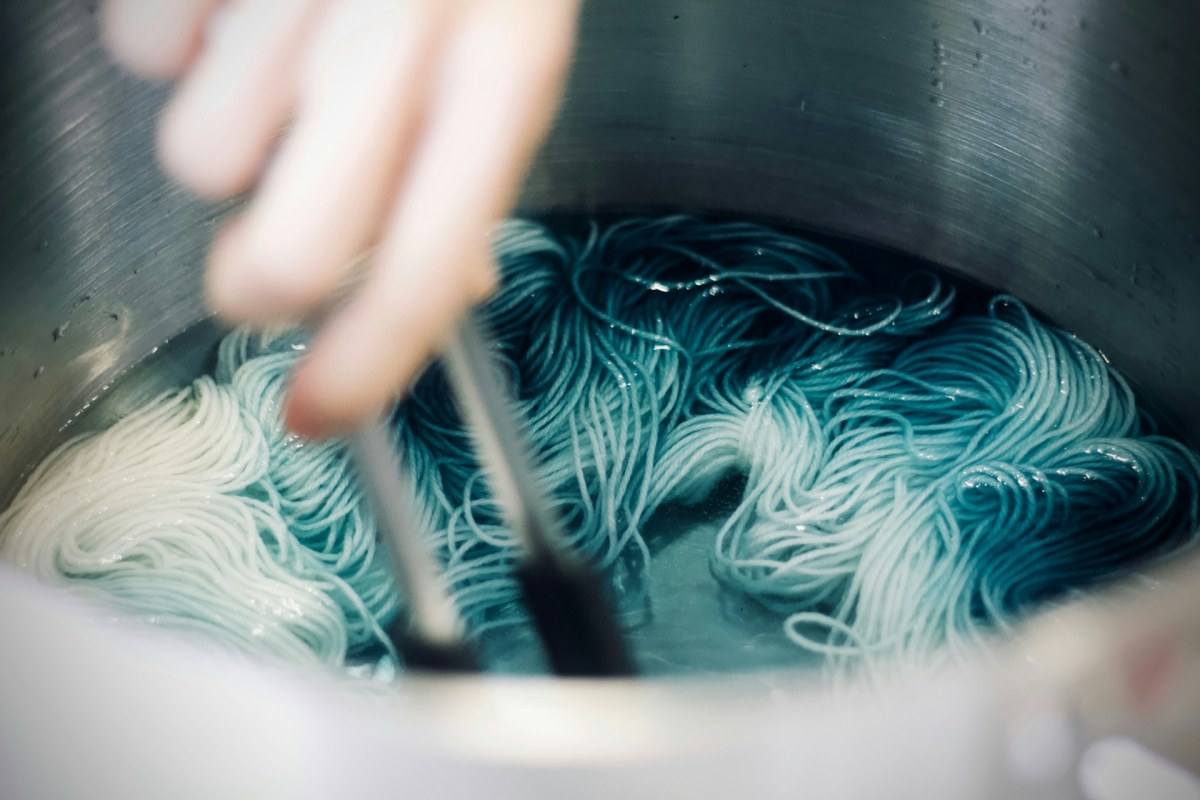
Dyeing Yarn at Home — Techniques, Dyes, and Step-by-Step Process
How to dye yarn at home: acid dyes for wool, natural dyeing, techniques (solid, gradient, speckled) and safety rules.
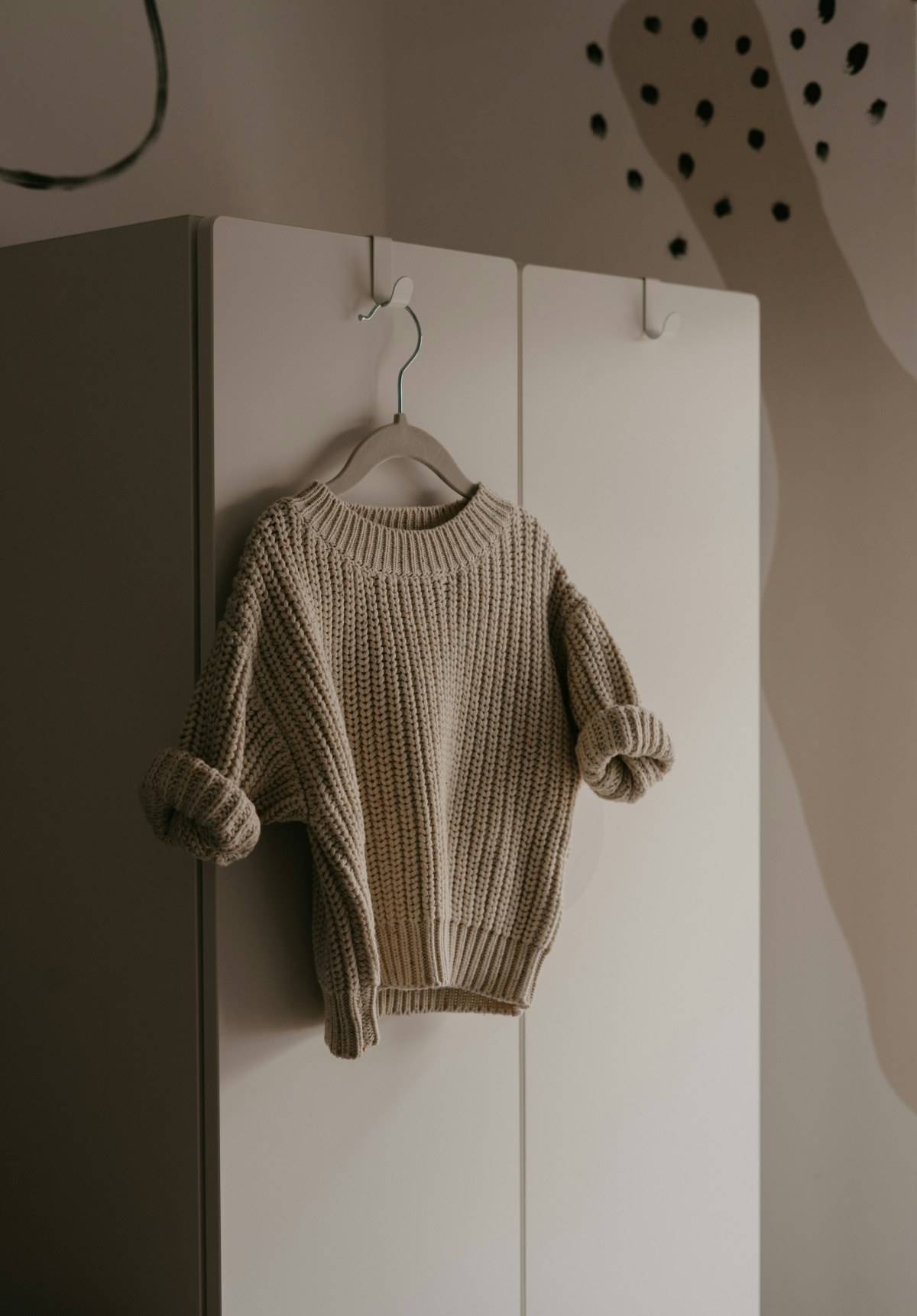
Blocking Knits — How to Shape and Finish Your Completed Project
Blocking is the final step that transforms an amateur project into a professional one. Wet, steam, and spray blocking — when to use each method.